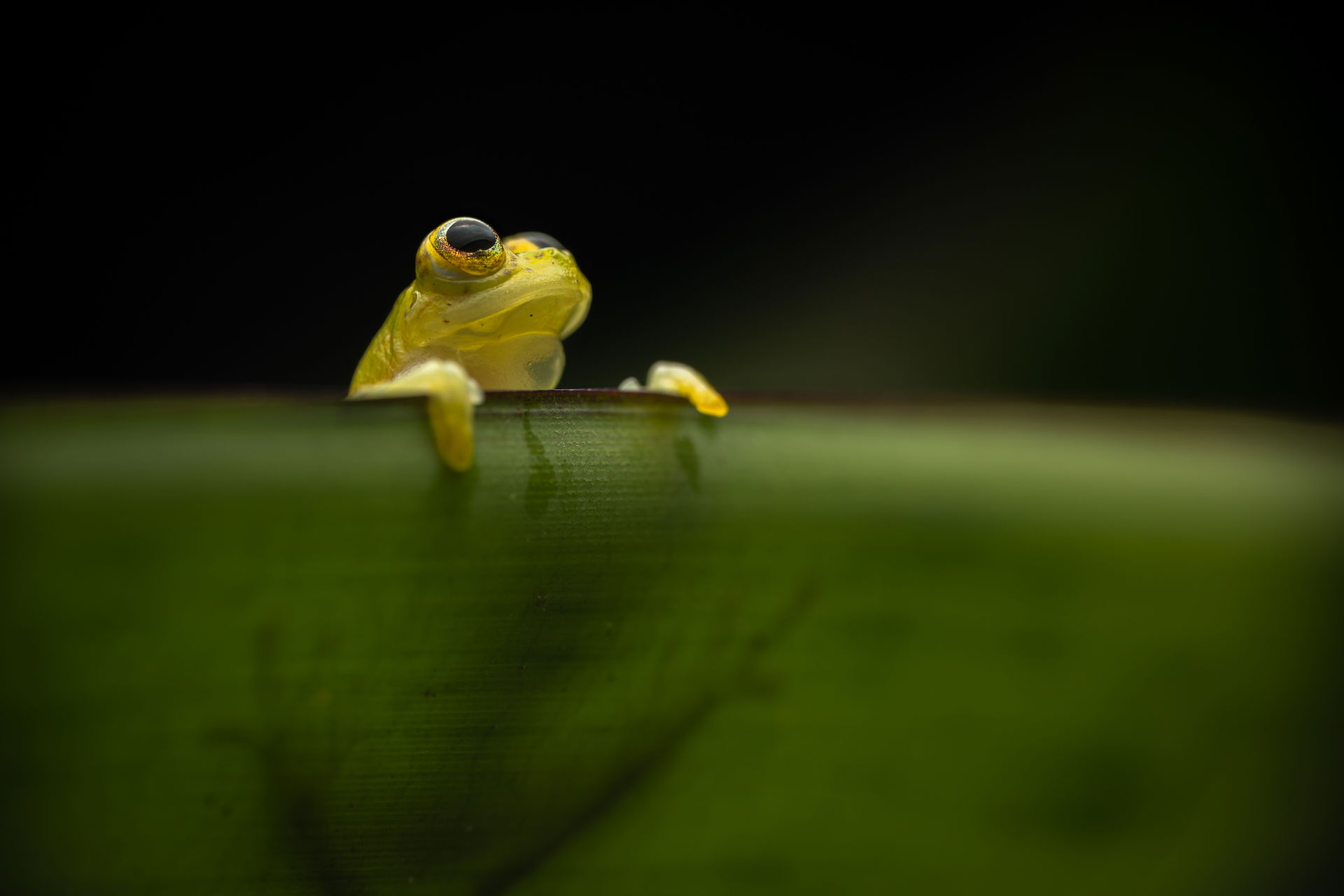
Conservation project in the field
Amphibian Survival
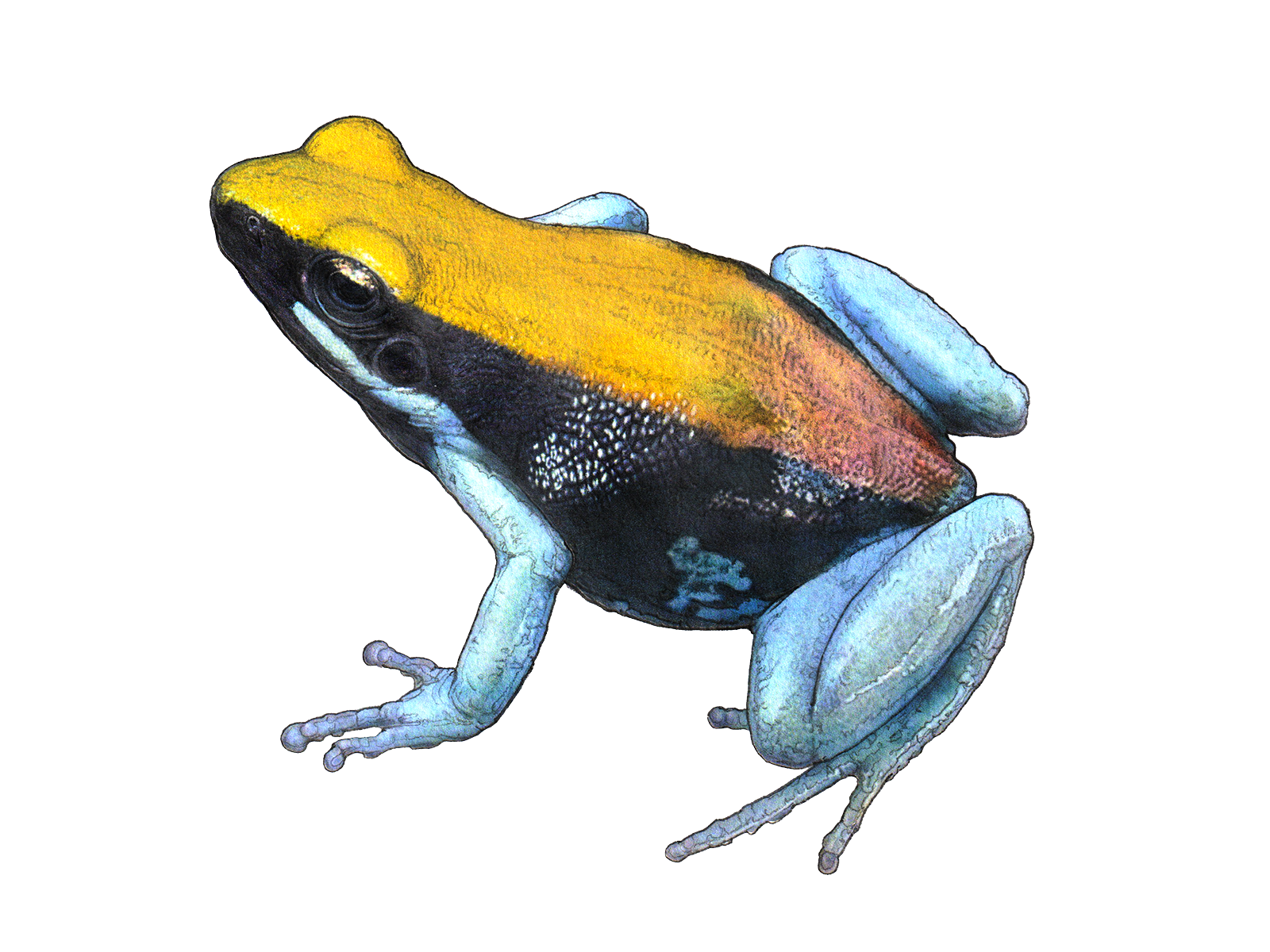
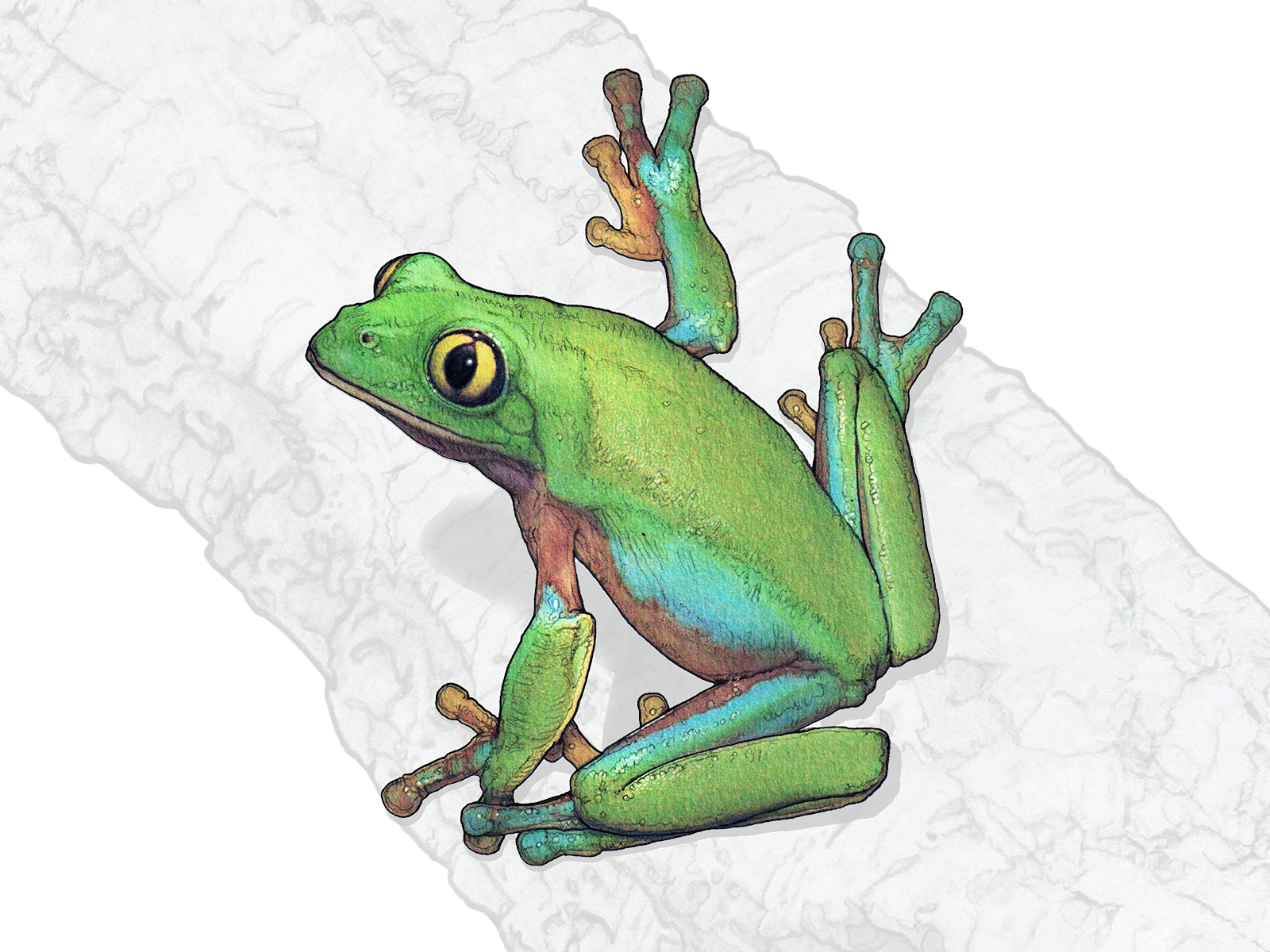
We are studying more than seventy frog species in five of Colombia’s national parks. This research is essential for protecting amphibians from the deadly chytrid fungus.
A skin fungus that is deadly to frogs and toads is spreading worldwide. So far, there is no way to stop the spread of the so-called chytrid fungus or to medically treat infected amphibians in the wild. We must therefore preserve these animals in protected breeding facilities.
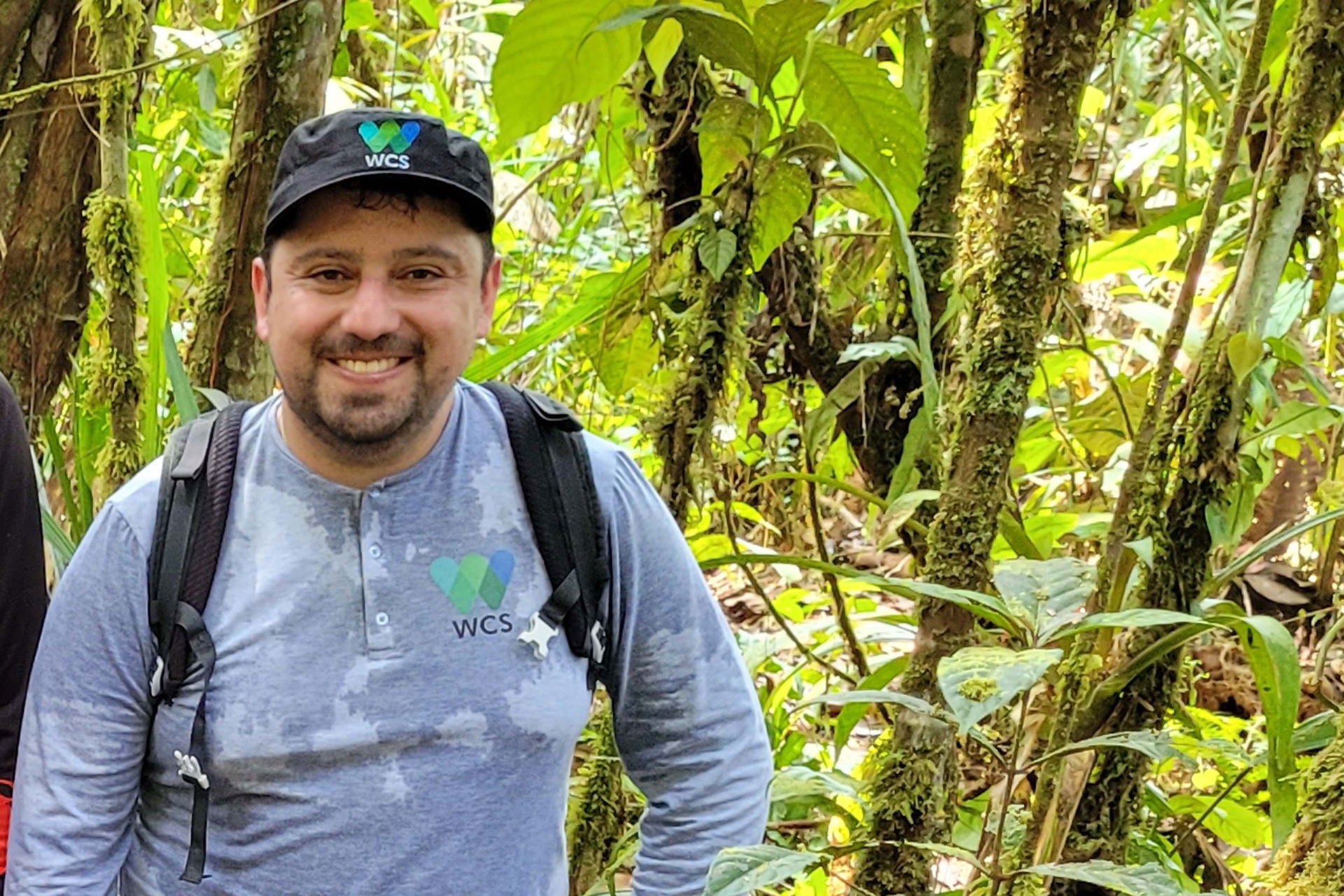
The basis for this is that we have an idea of how many animals of each species actually (still) exist in the wild. Through our Amphibian Survival conservation project, we are therefore enabling the population sizes of threatened frog species in Colombia to be studied using scientific methods. The population survey covers 71 frog species in 5 national parks. One-third of all Colombia’s threatened frog species live there.
We are conducting this survey in close collaboration with the Wildlife Conservation Society (WCS) Colombia, the Cali Zoo, and the Corporación Universitaria Lasallista de Medellín.
Get involved
Become part of our Amphibian Survival conservation project. We promise that every franc donated goes entirely to the project.

Based on this data, our local partners can decide which frog species they most urgently need to transfer to the amphibian breeding center at the Cali Zoo so they can be bred there, safe from the chytrid fungus. If one of these species becomes extinct in the wild, we could try to reintroduce it into its natural habitat using offspring from the breeding center once the chytrid fungus infection has subsided.
Project facts
2006
we began our involvement in Colombia.
860,000
CHF in direct contributions have been made possible for the project to date.
Our Work
Video: Zoo Zurich, frogs-friends.org
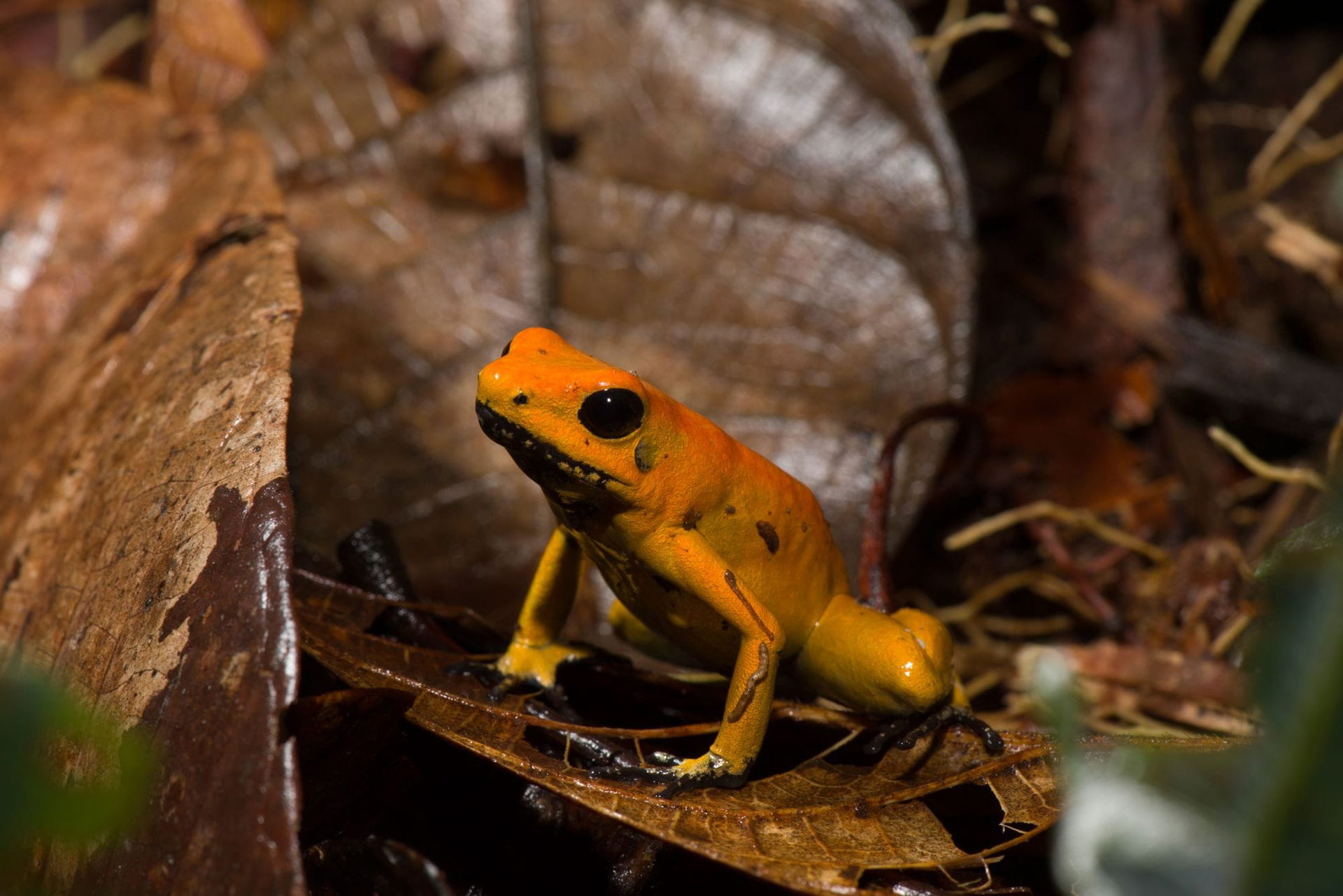
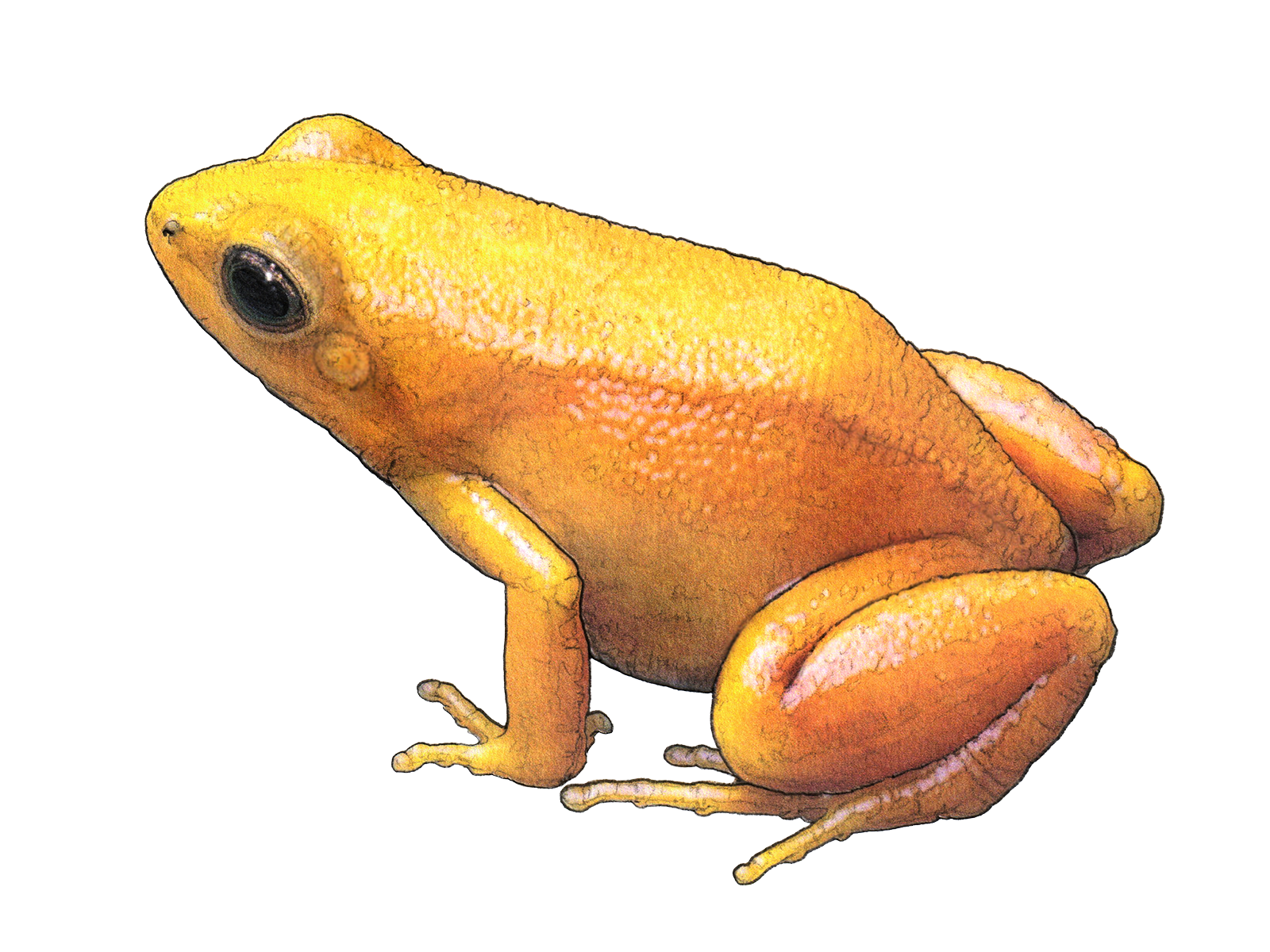
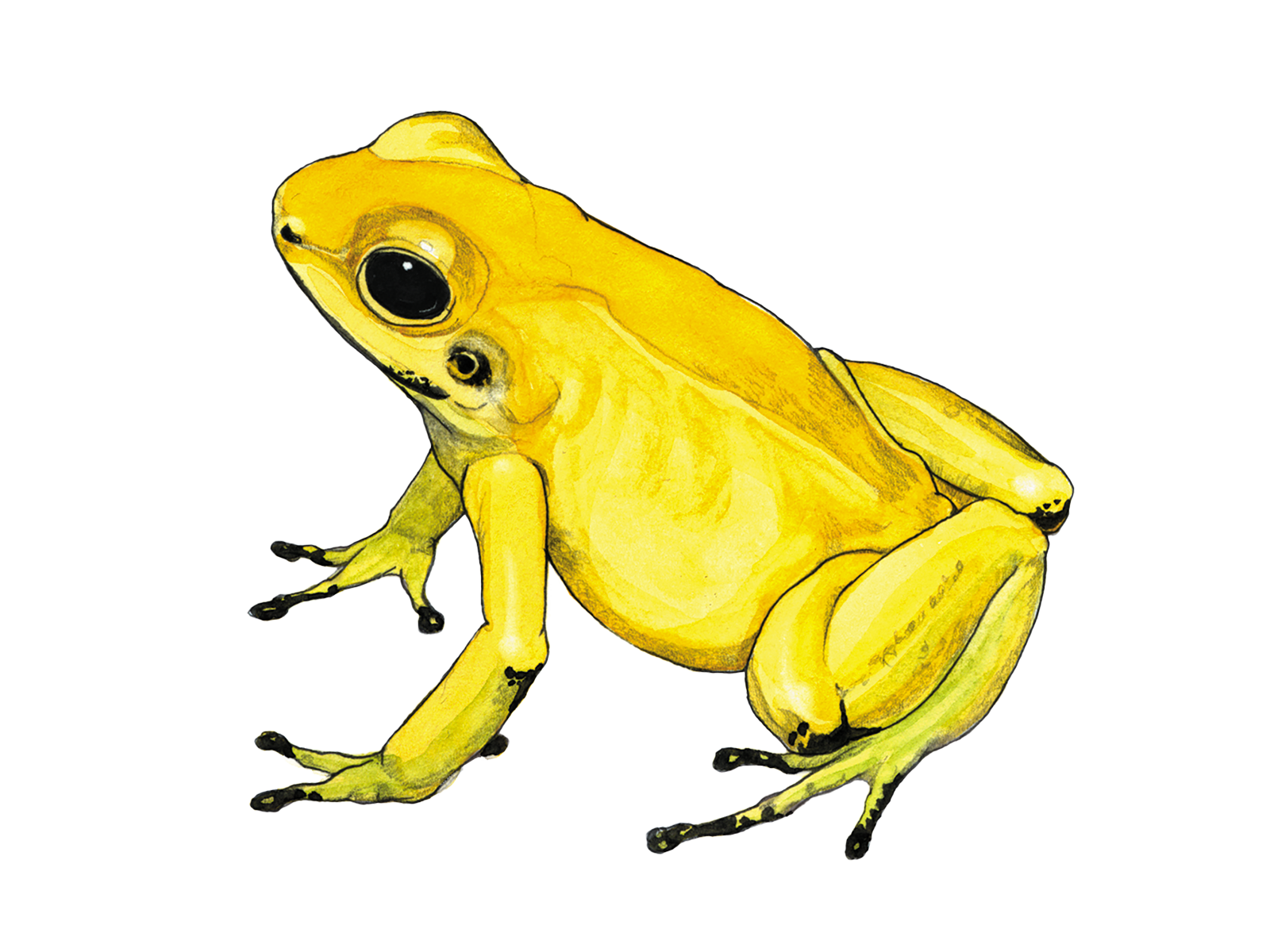
The golden poison frog occurs naturally only in a small region. Image: Zoo Zurich, Martin Bauert
Study on the Golden Arrow Poison Dart Frog
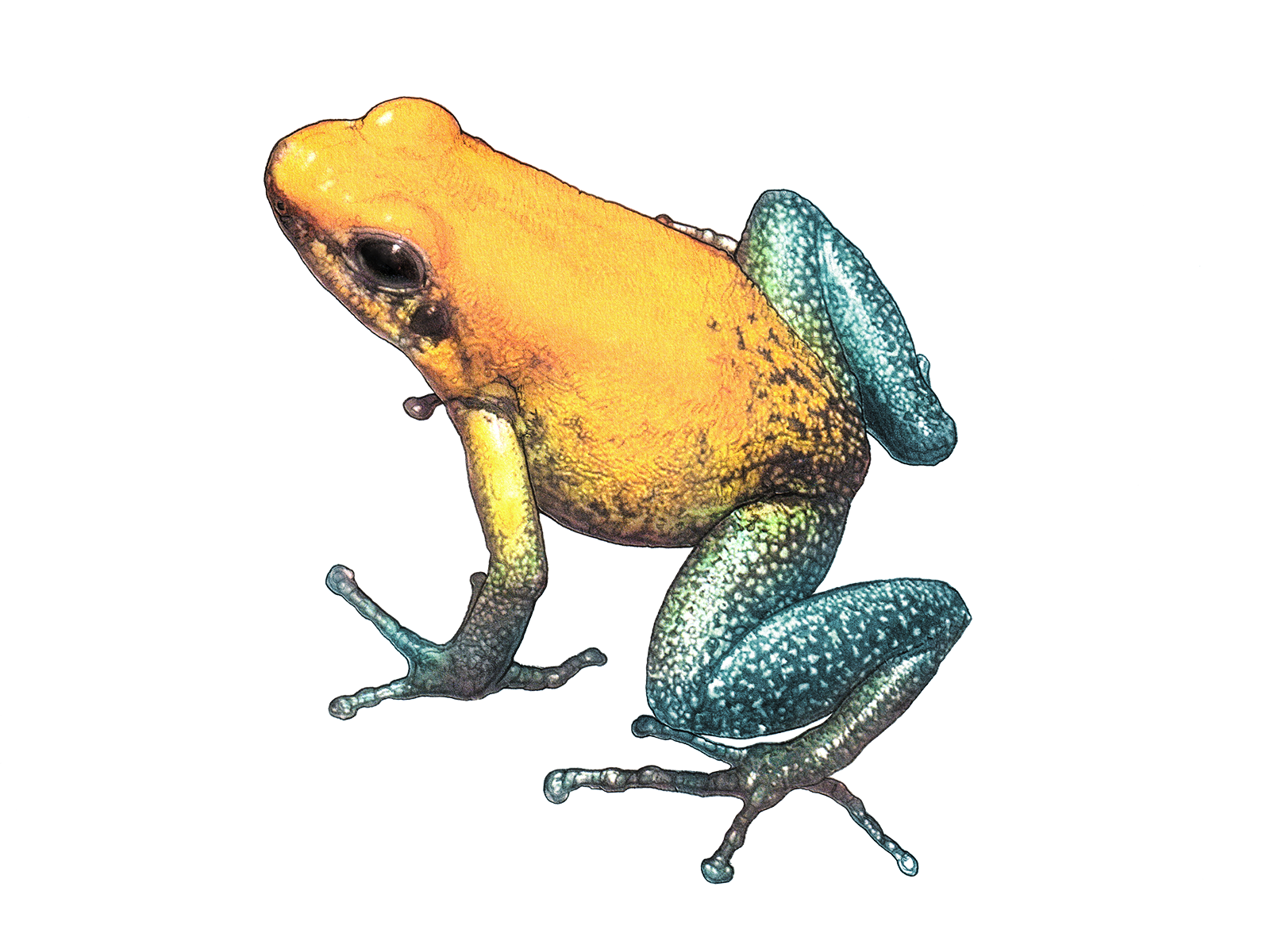
The golden poison dart frog naturally has a very small range in the tropical lowland rainforests of the Saija River in the department of Cauca. Its habitat has shrunk noticeably in recent years due to deforestation. The International Union for Conservation of Nature (IUCN) therefore lists it as “Endangered” on its Red List.
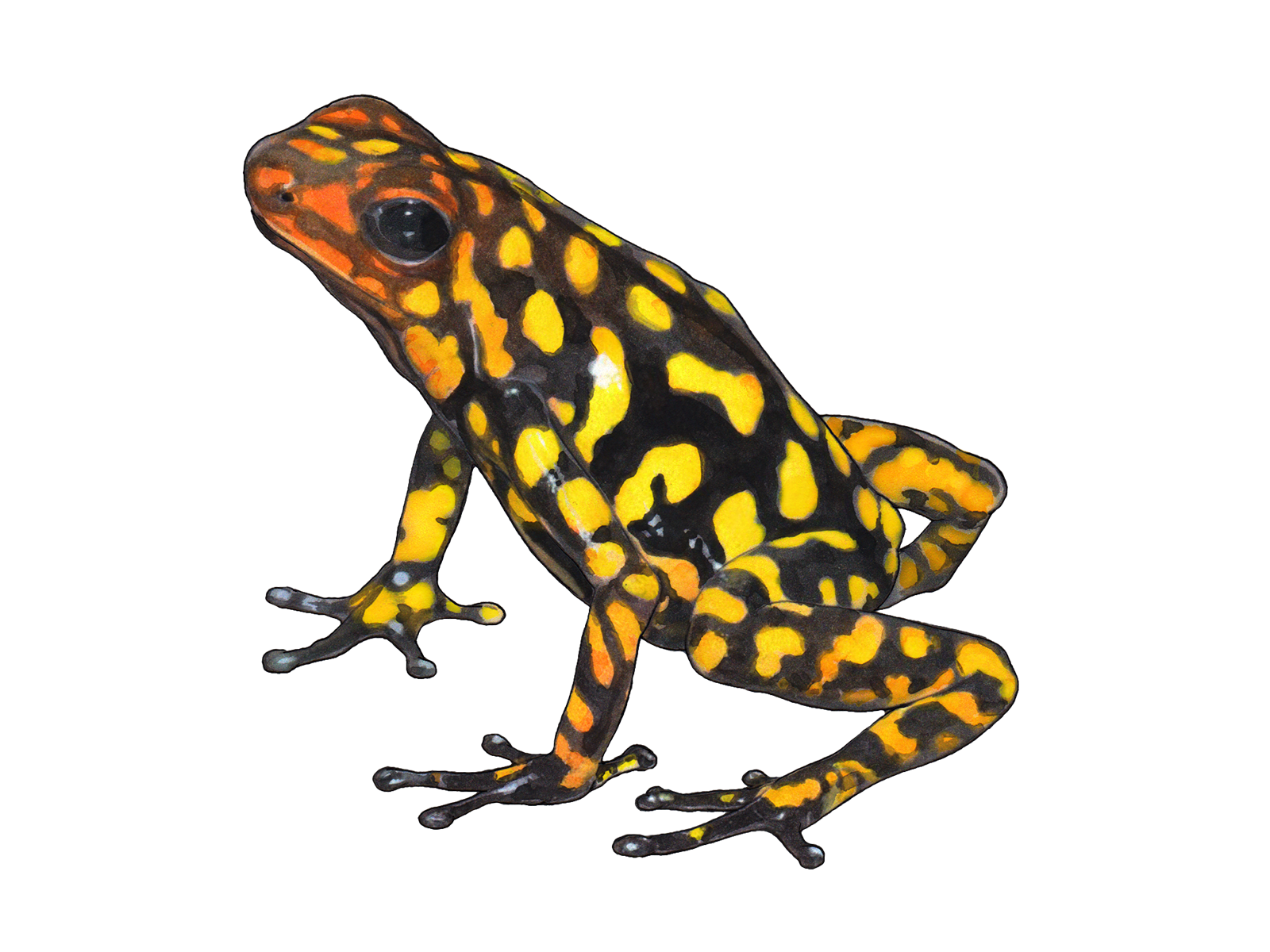
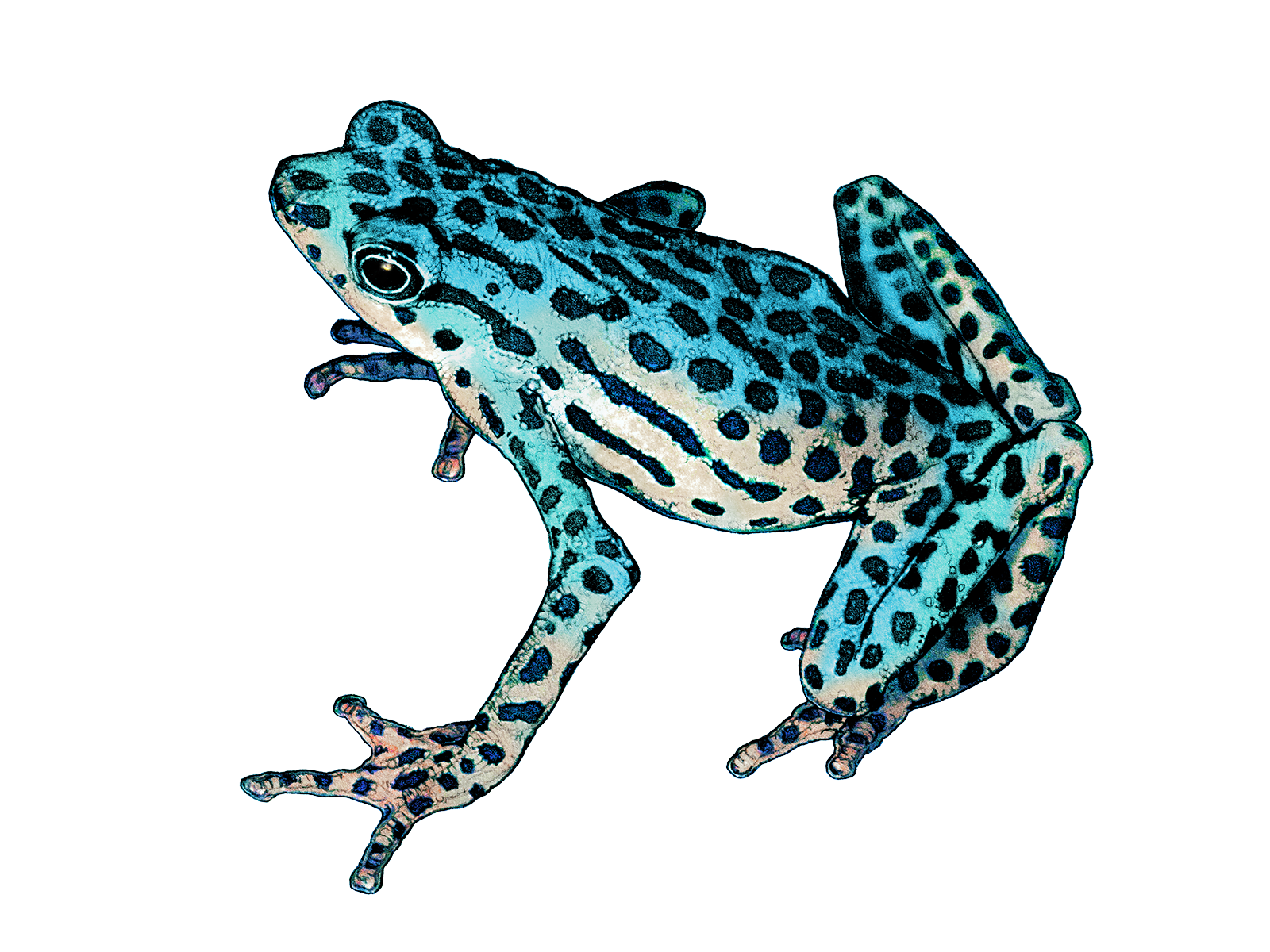
We are funding a study on the population of the golden poison dart frog. These frogs differ in the pattern of black spots on their bellies. By examining these spots, researchers can identify individual frogs and thus determine the population density of the frogs.
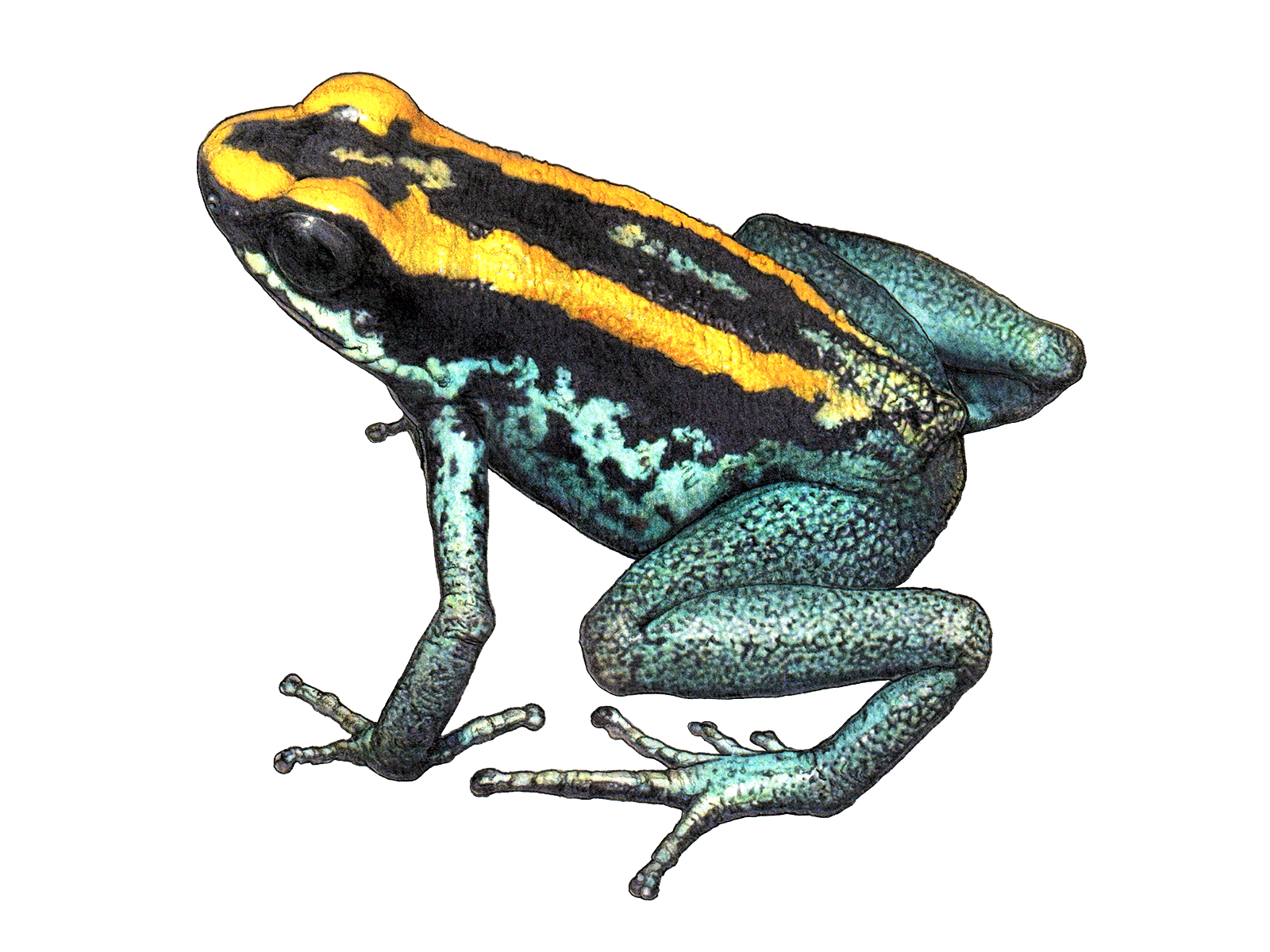
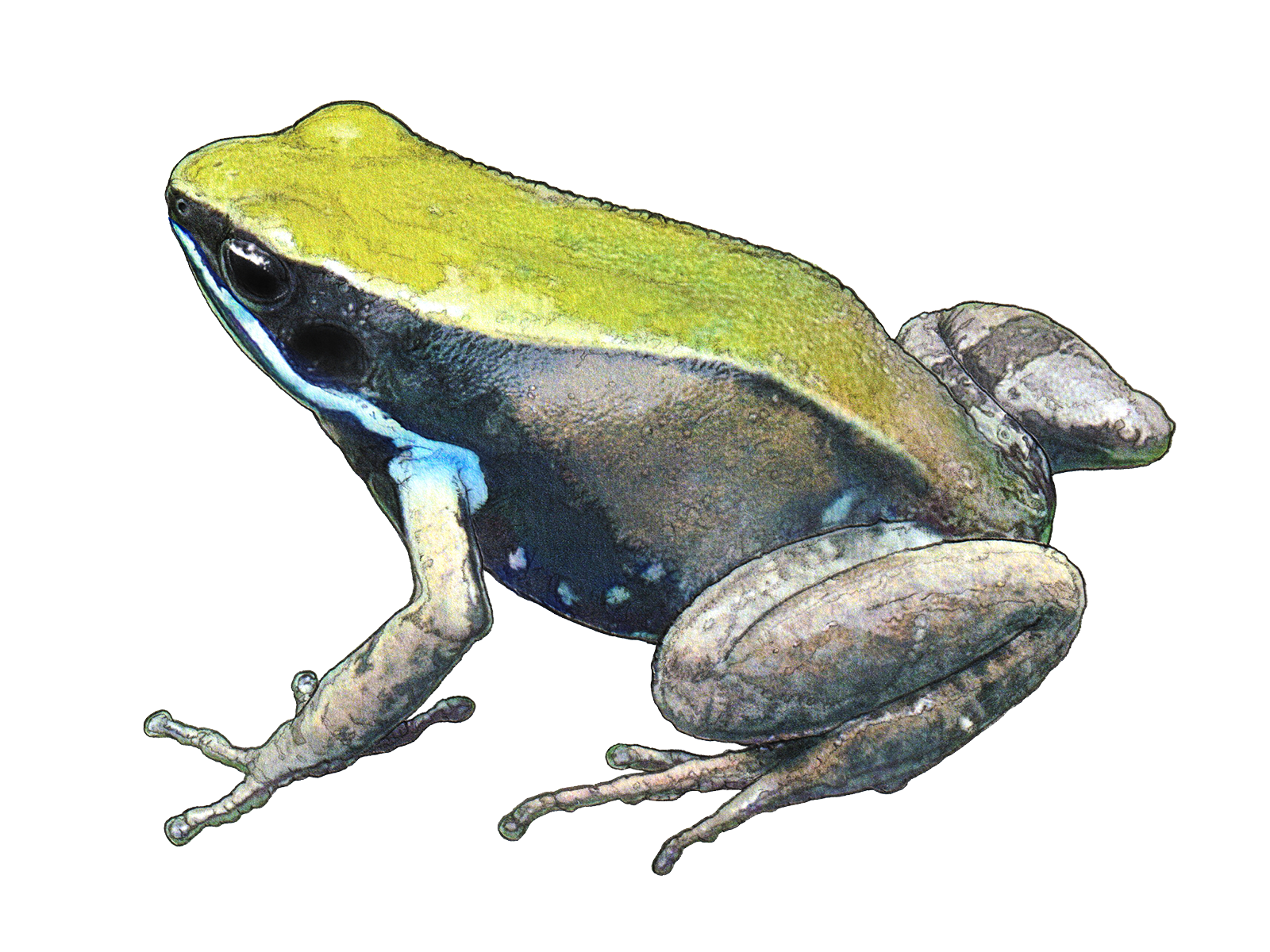
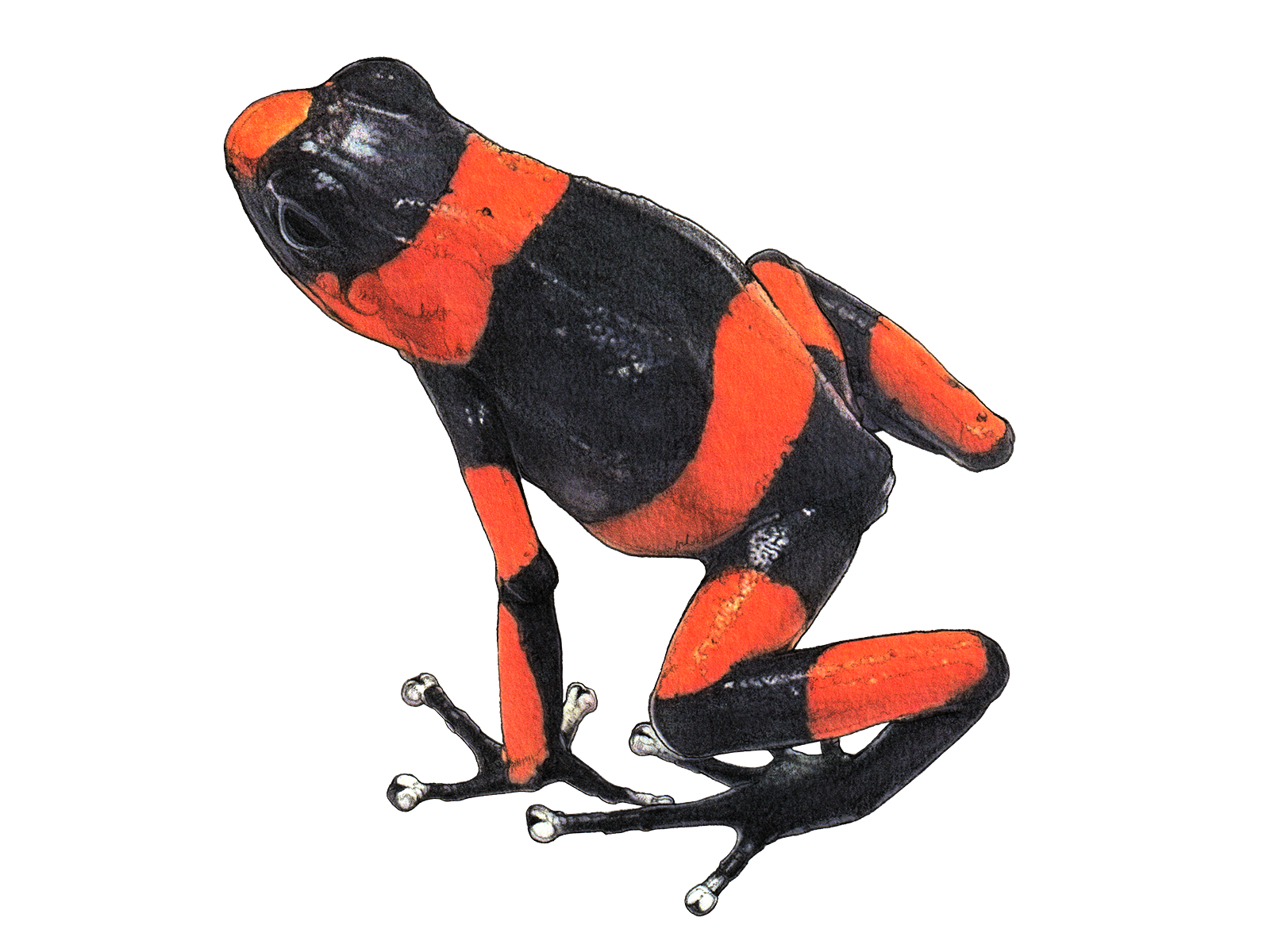
Our amphibians at the Zoo
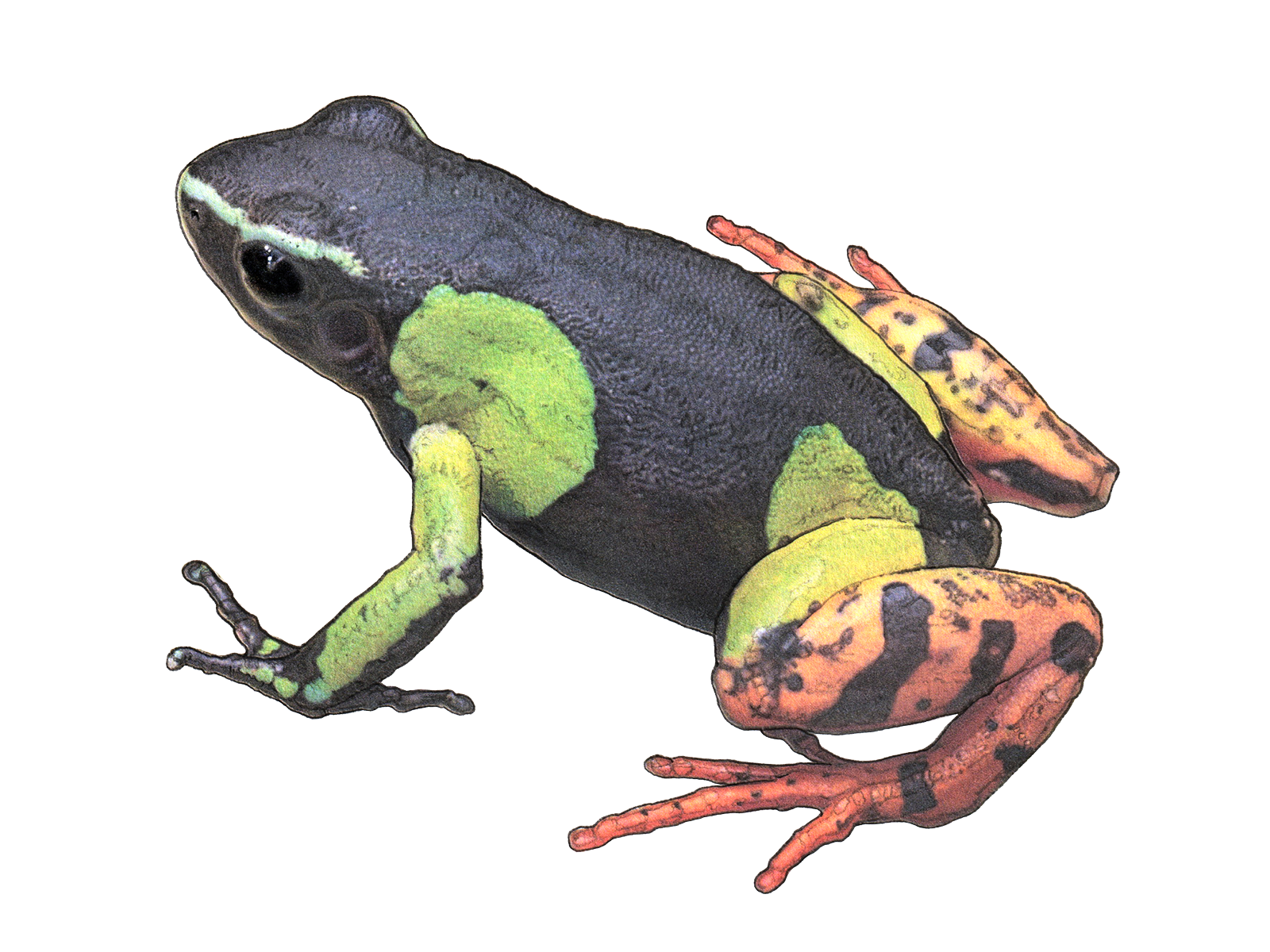
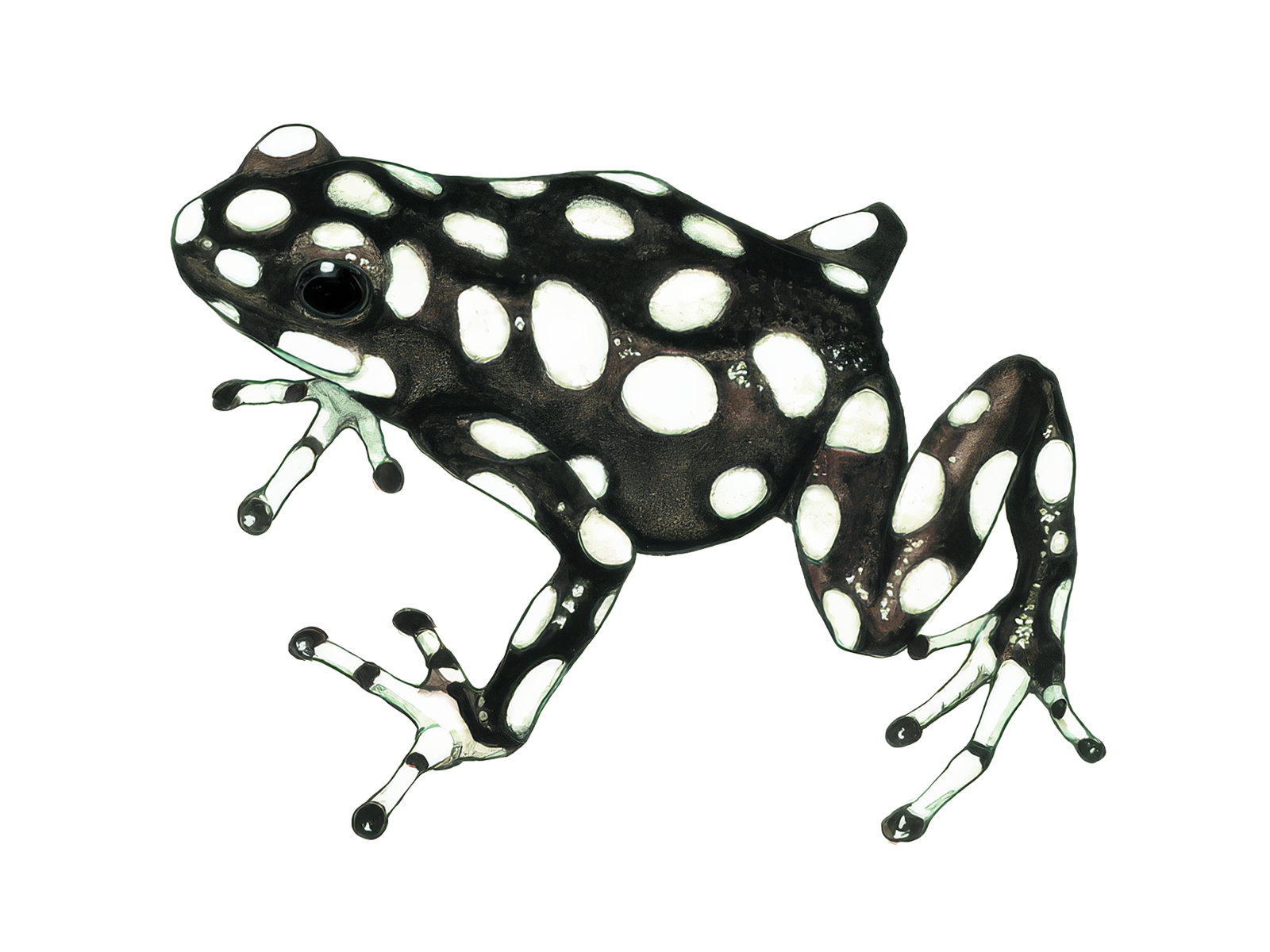
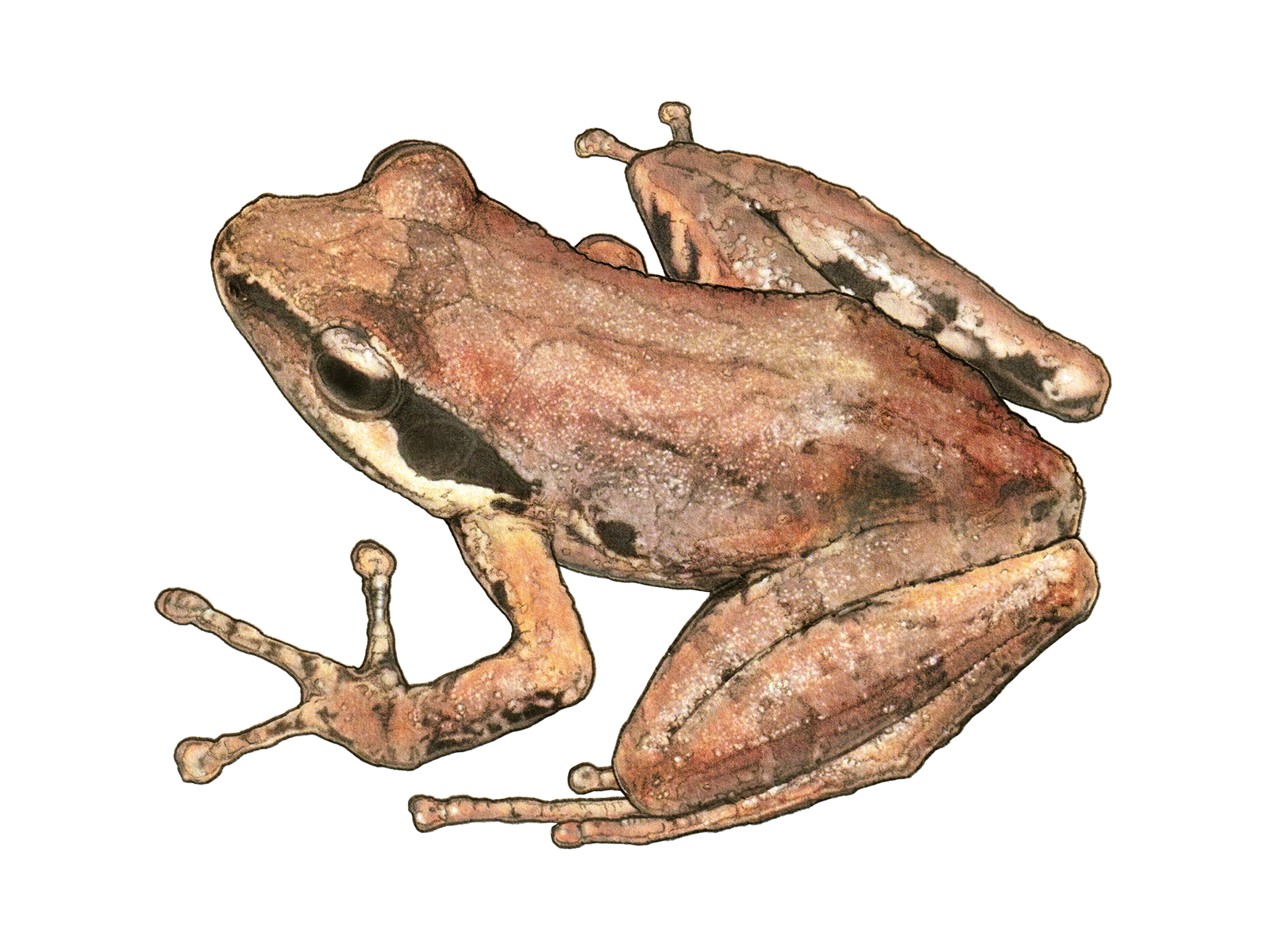
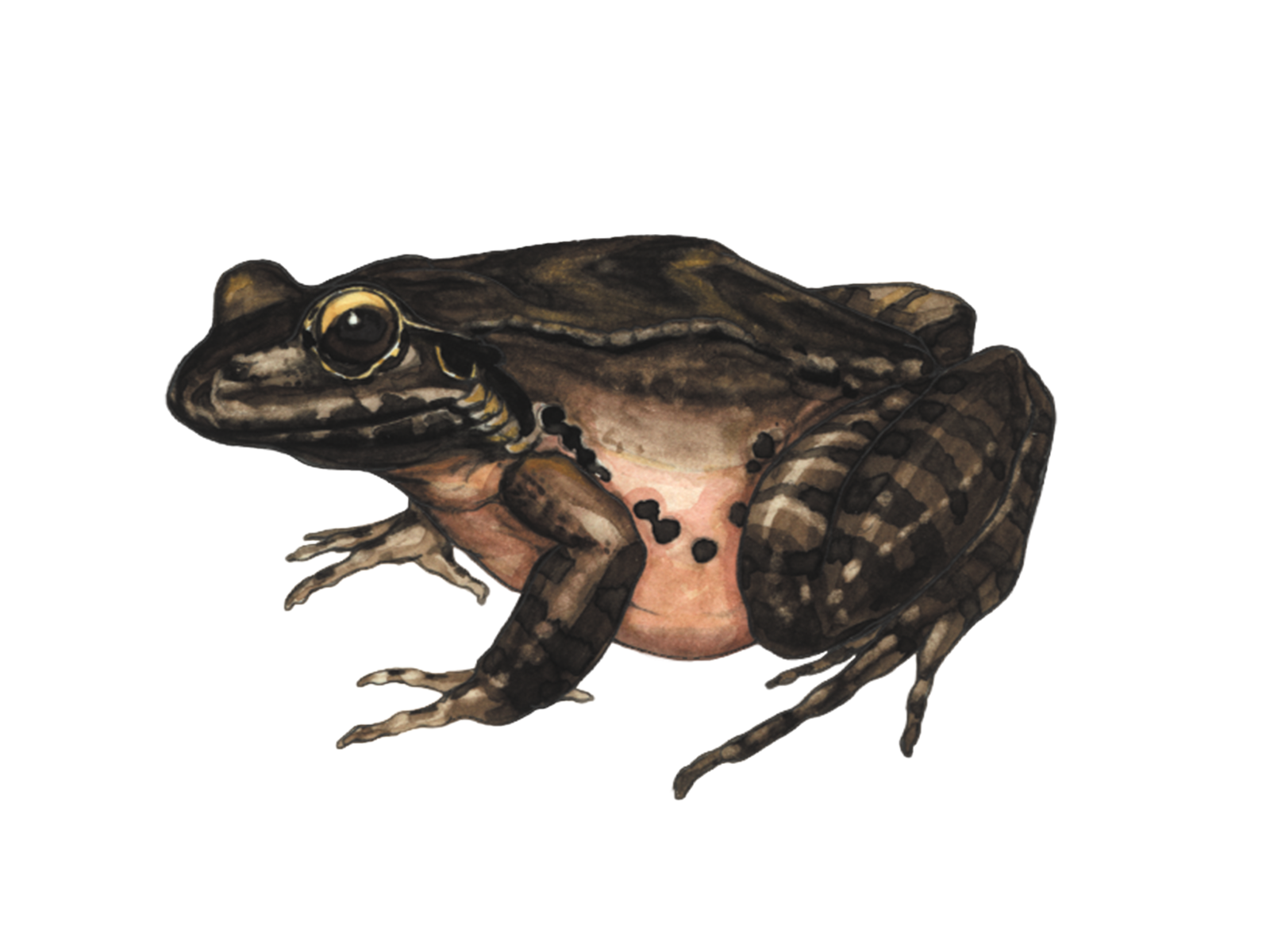
- Education
- Research
- Species Conservation
 HabitatsWe protect nature – locally and globally
Your donation to the Amphibian Survival conservation project
