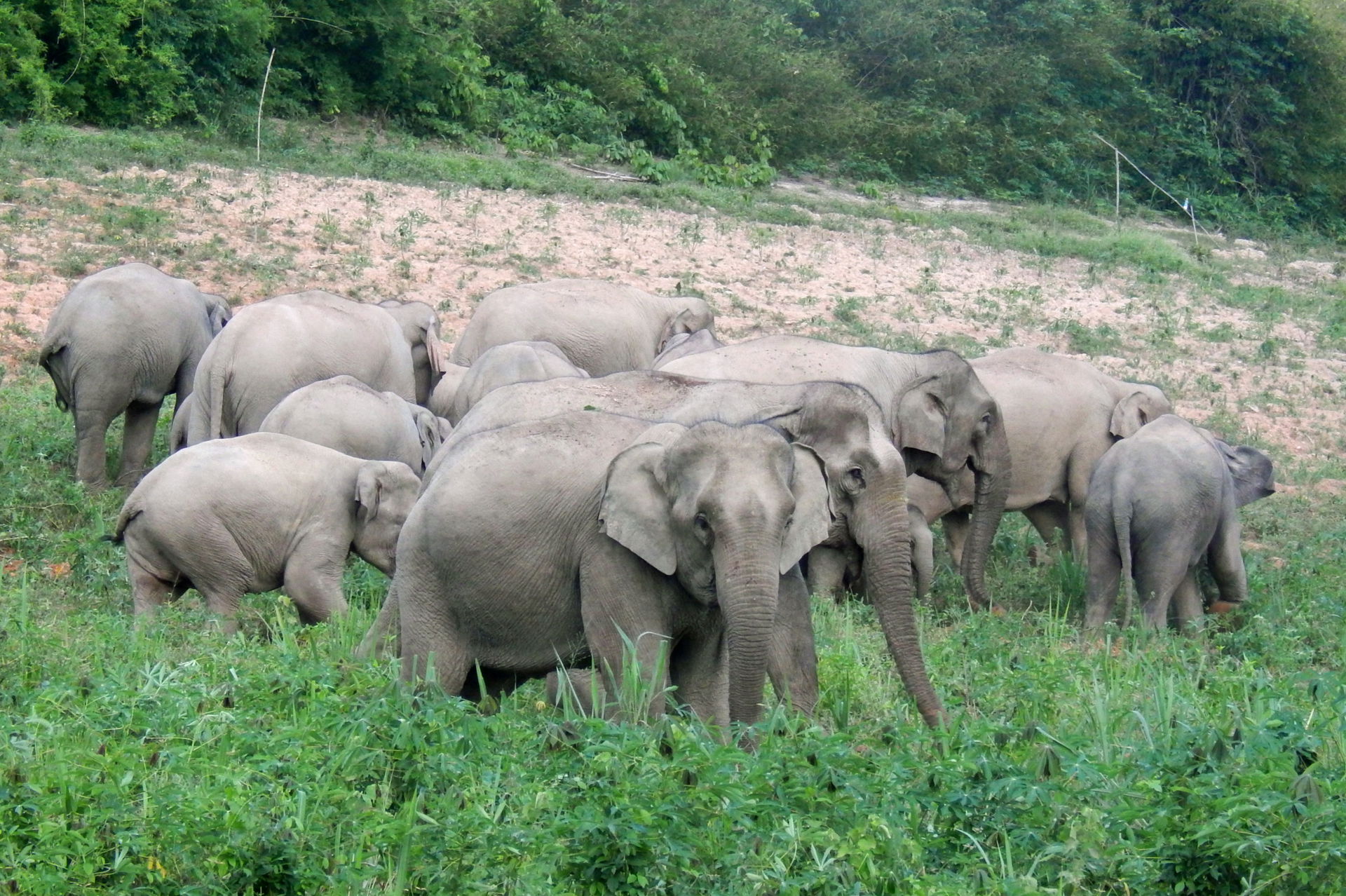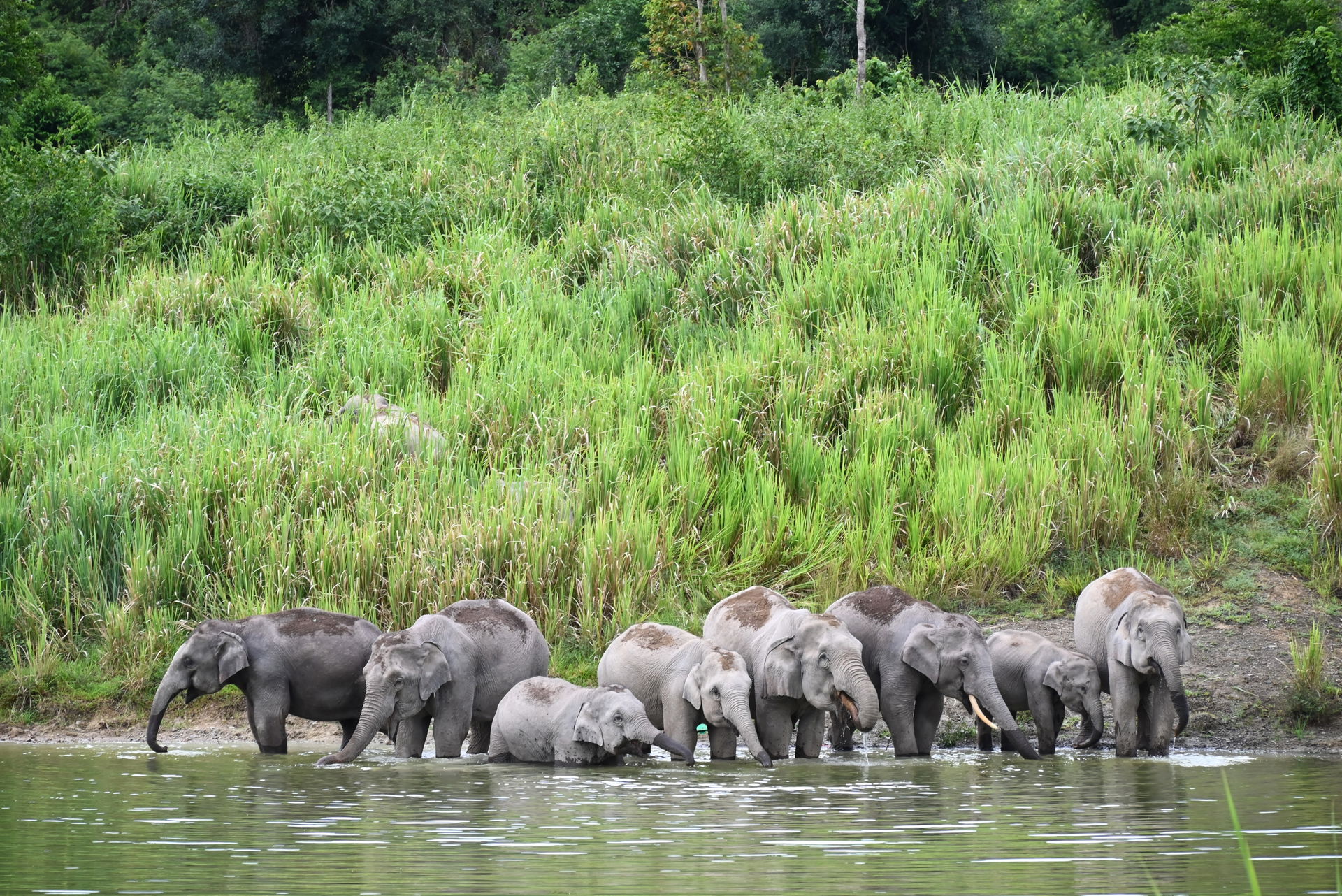

Asiatische Elefanten im Kaeng Krachan Nationalpark in Thailand.

Conservation project in the field

Kaeng Krachan

Bringing Together What Belongs Together: For many years, we have been working on the ground in Thailand to protect endangered wildlife and their habitats.

In Thailand, we are working to ensure that the animals in Kaeng Krachan National Park and the people in the surrounding villages can coexist without conflict. We also help combat poaching and illegal logging in the national park and the Western Forest Complex. And we support the project to connect the two protected areas via corridors in the future.

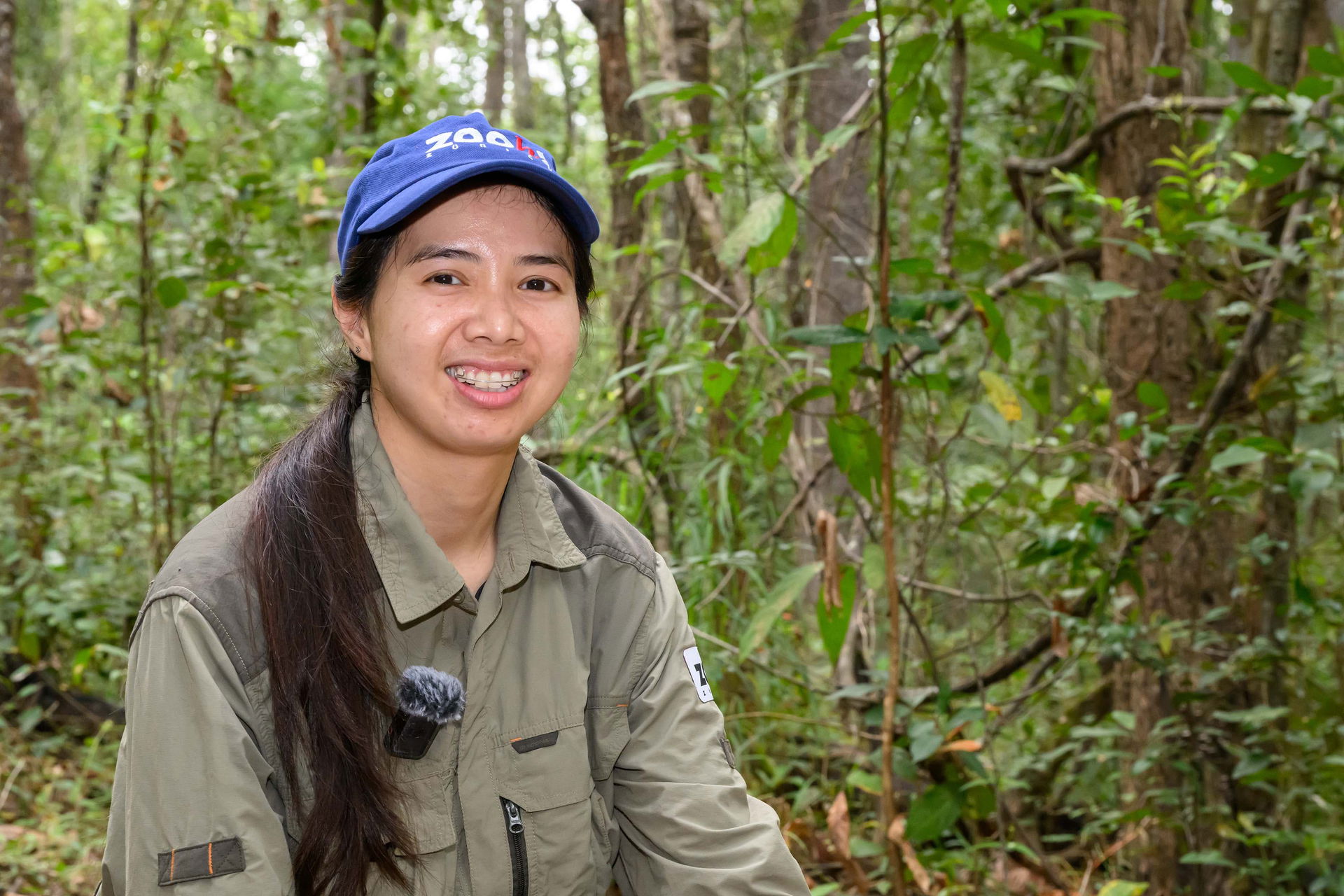
Our local team

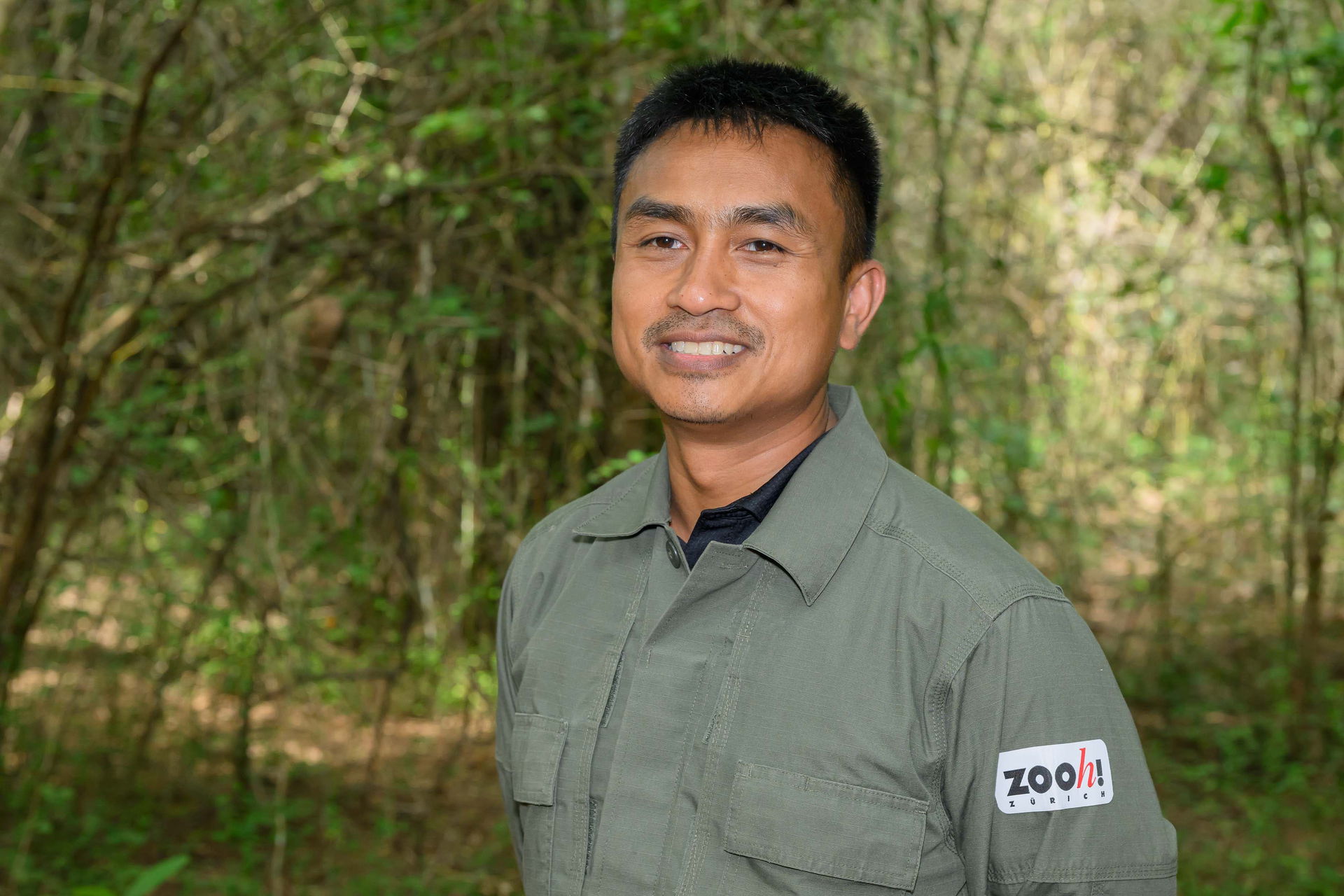
  • Manoon Pliosungnoen, Landschaftskoordinator im Kaeng-Krachan-Waldkomplex und Naturschutzbotschafter des Zoo Zürich.

    Manoon Pliosungnoen

    Landscape Coordinator for the Kaeng Krachan Conservation Project

  • Apinya Saisamorn, Managerin des Wildtierschutzprogramms im Kaeng-Krachan-Waldkomplex und Naturschutzbotschafterin des Zoo Zürich.

    Apinya Saisamorn

    Wildlife Conservation Project Manager at the Kaeng Krachan Conservation Project

The Kaeng Krachan Nature Reserve project is a long-standing collaboration with the Wildlife Conservation Society (WCS) and the Department of National Parks, Wildlife, and Plant Conservation (DNP).

Get involved

Become part of our Kaeng Krachan nature conservation project. We promise that every franc donated will go entirely toward the project.

Elephants and Tigers

The approximately 3,000-square-kilometer Kaeng Krachan National Park is the largest and most biodiverse contiguous stretch of rainforest in Thailand. About 200 wild elephants live there.

About 75 kilometers further north, the Western Forest Complex, with 17 protected areas along Thailand’s border with Burma. It is one of the most important habitats for tigers in Thailand.

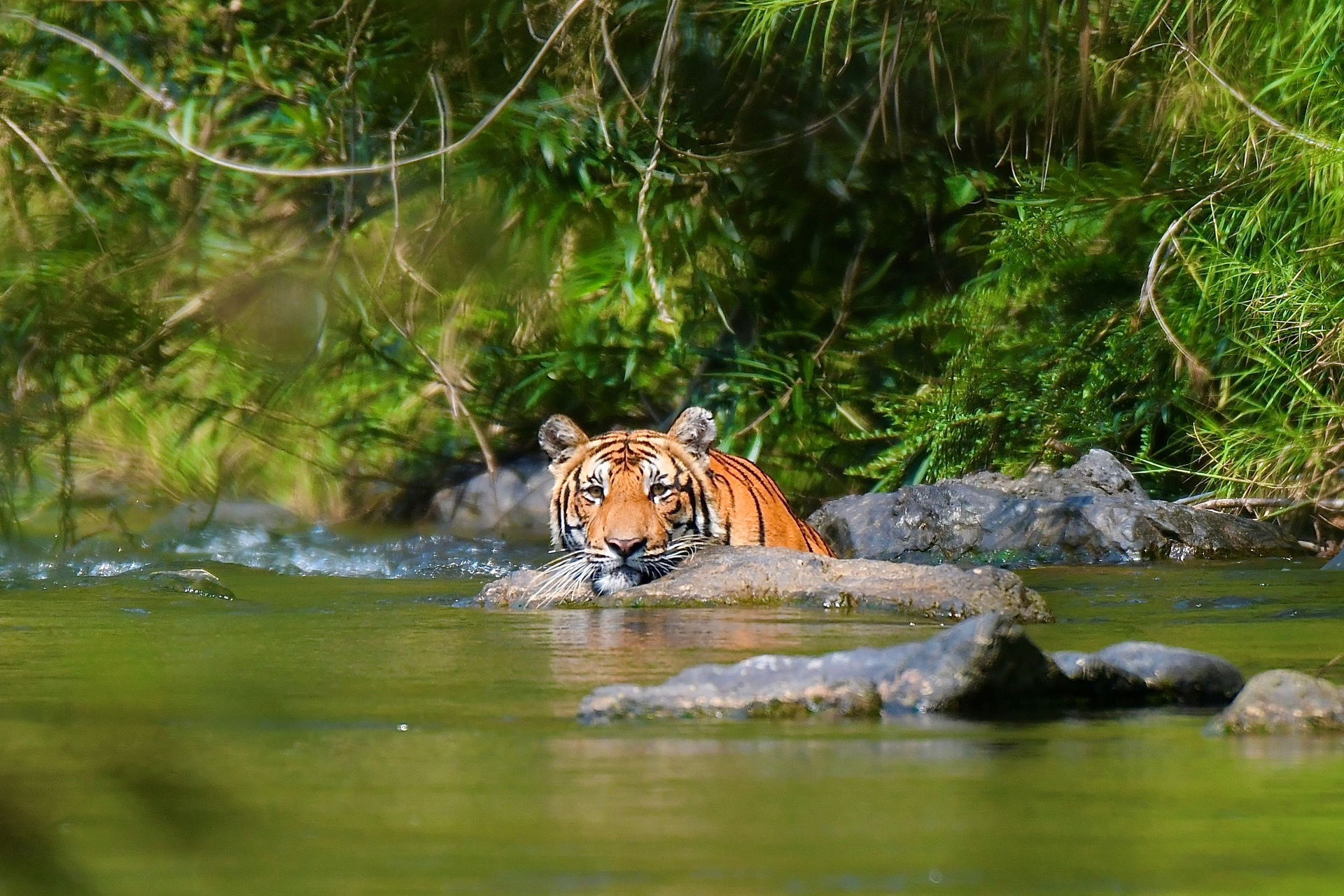
Indochinesischer Tiger (Panthera tigris corbetti) im Kaeng Krachan Nationalpark in Thailand.

An Indochinese tiger (Panthera tigris corbetti) swims in the Phetchaburi River in Kaeng Krachan National Park, Thailand. Image: KKNP/WCS Thailand

Together, Kaeng Krachan National Park and the Western Forest Complex comprise the largest and most biodiverse forest areas in all of Southeast Asia. We help protect the wildlife in these areas. And we support efforts to connect the two areas via a wildlife corridor, thereby ensuring genetic exchange among elephants, tigers, and other endangered species.

Project facts

  • 2009

    we began our involvement in Thailand.

  • 2.94million

    CHF in direct contributions have been made possible for the project to date.

  • 5300

    people have benefited from this project to date.

  • Insights into Our Work in Thailand

    Video: Zoo Zurich, naturemovie.ch

    Elefanten im Kaeng Krachan Nationalpark in Thailand.

    In search of water and food, wild elephants also enter cultivated land. Image: WCS Thailand
    De-escalating Conflicts

    According to the IUCN Red List, and is under pressure throughout South and Southeast Asia. According to the IUCN, there are still about 3,000 wild elephants in Thailand. Because humans are claiming more and more habitat for themselves—for example, through deforestation for settlements and agriculture—conflicts arise between wildlife and humans. This happens, for instance, when elephants damage plantations, homes, or herds of livestock along their traditional migration routes.

    Elefantenschutzzaun im Kaeng Krachan Nationalpark in Thailand.

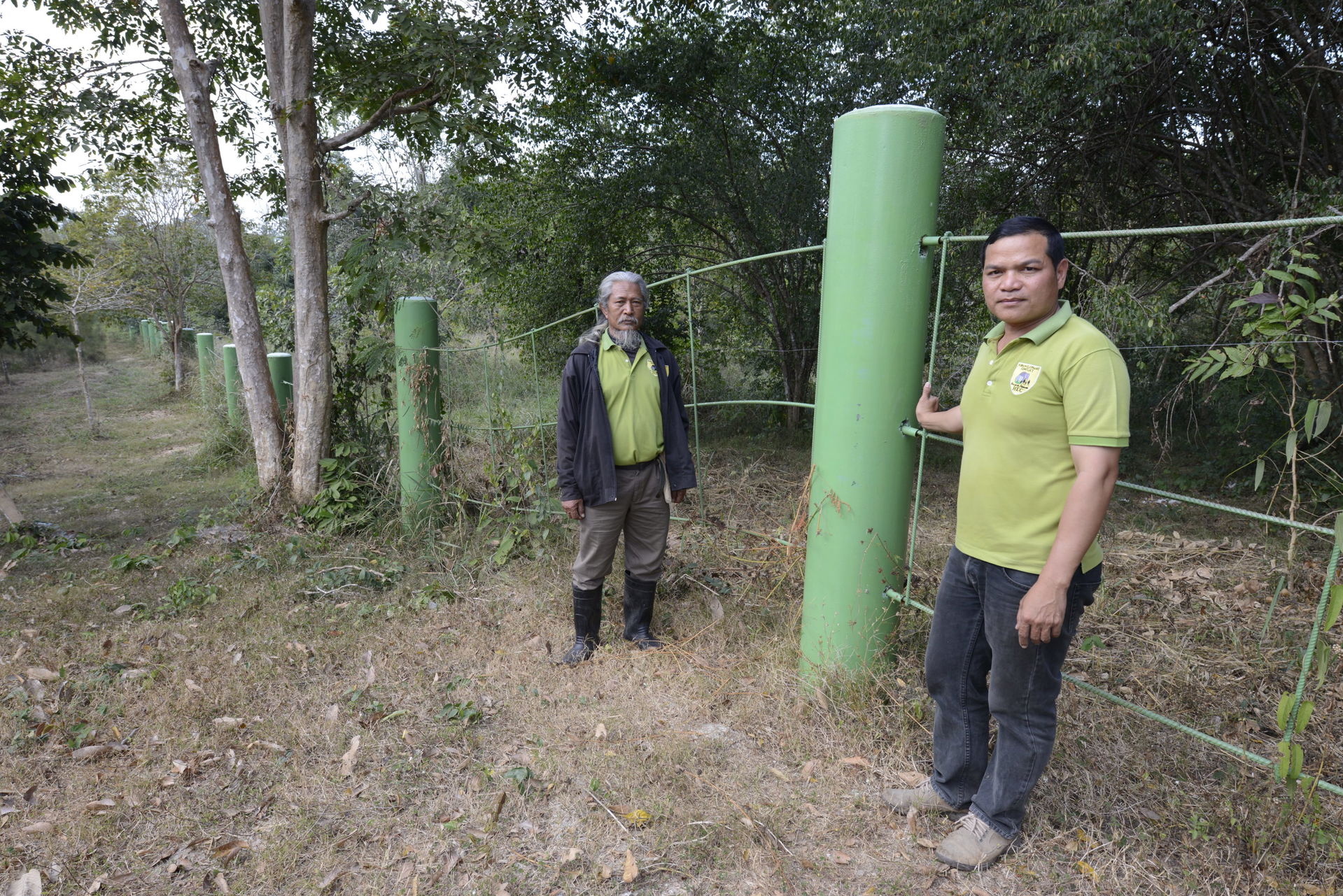
    Strong fences prevent the elephants from leaving the national park. Image: Zoo Zurich, Martin Bauert
    Two Types of Fences

    We are working to defuse these conflicts. For one thing, we are installing permanent elephant-proof fences along the national park boundaries. These fences are designed to guide the animals to areas where they are surrounded by intact habitat with sufficient food and water.

    In addition, with our help, the farmers are setting up “alarm fences” around their fields. If elephants try to enter the fields where pineapples, bananas, or other delicious fruits are growing, an alarm sounds when the animals touch the wire. During harvest season, the farmers sleep in guard huts next to the fields. Woken by the alarm, they scare the elephants away with firecrackers. Both the harvest and the animals remain unharmed.

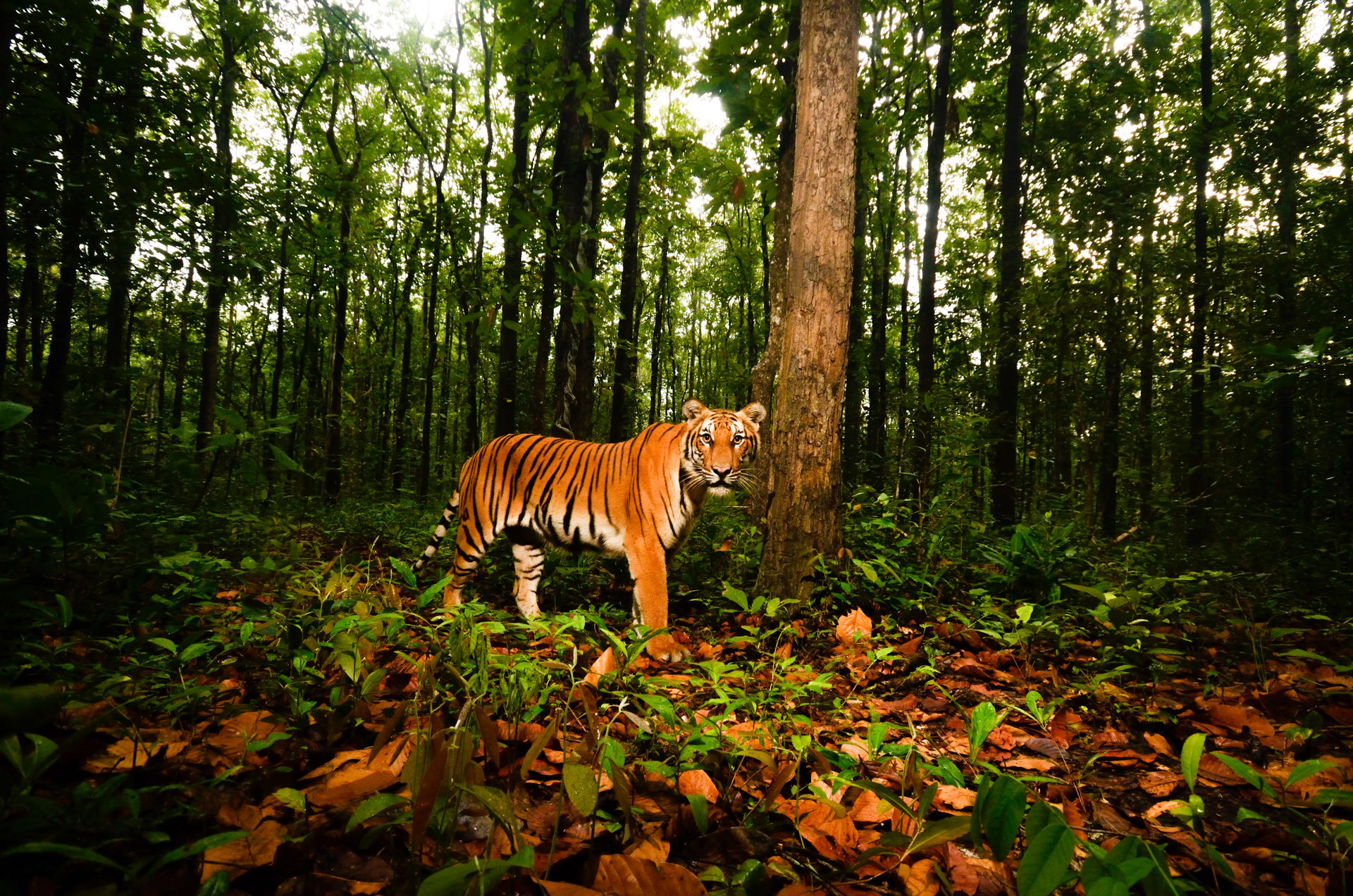
    Amurtiger im Kaeng Krachan Nationalpark in Thailand.

    A tiger roams the Western Forest Complex in Thailand, captured by a camera trap. Photo: DNP/WCS Thailand

    Protecting Wildlife

    Kaeng Krachan National Park is fully protected by law. Nevertheless, illegal logging, poaching, and ivory hunting are everyday threats. We help fund the training and equipment of the rangers who patrol the rugged terrain. They uncover violations, apprehend criminals, and, through their presence, reduce attacks on endangered wildlife.

    This is not only the case in Kaeng Krachan National Park, but also in the Western Forest Complex, one of the most important habitats for tigers in Thailand. The conservation measures we support there are having an impact: Thailand’s tiger population has rebounded in recent years.

    Two places, one goal

    Discover the Elephant Park at the Zoo

    Come see Asian elephants here at our zoo—because our Kaeng Krachan Elephant Park and the Kaeng Krachan Conservation Project go hand in hand

    Asiatische Elefanten im Kaeng Krachan Elefantenpark des Zoo Zürich.
    • Education
    • Research
    • Species Conservation
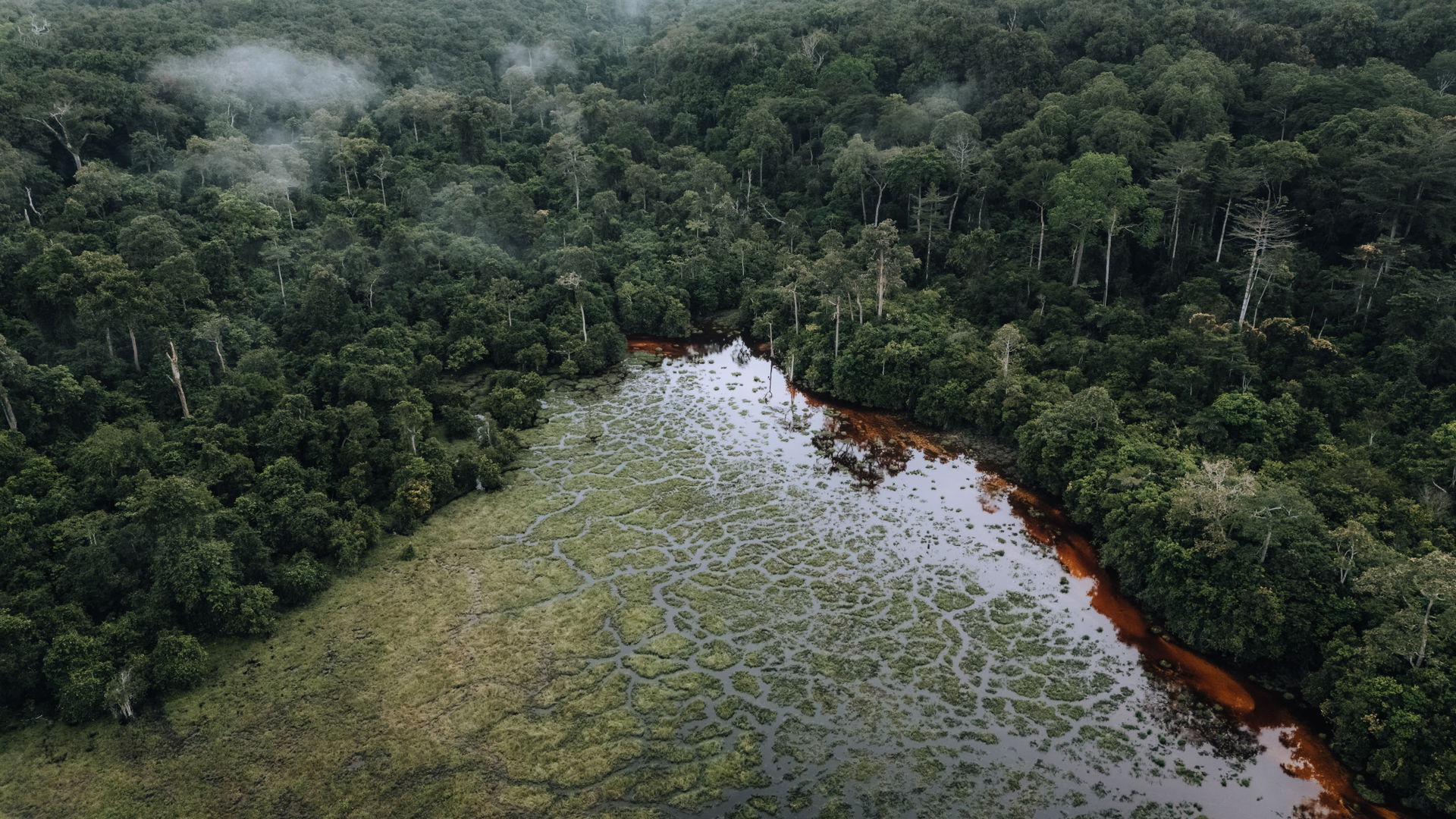
    • Blick aus der Luft auf einen Teil des Nouabalé-Ndoki-Nationalparks (NNNP) im Kongo.HabitatsWe protect nature – locally and globally

    Your donation to the Kaeng Krachan conservation project

    FundraisingBox Logo

    Frequently asked questions about donations

    More questions and answers
    Back to overview