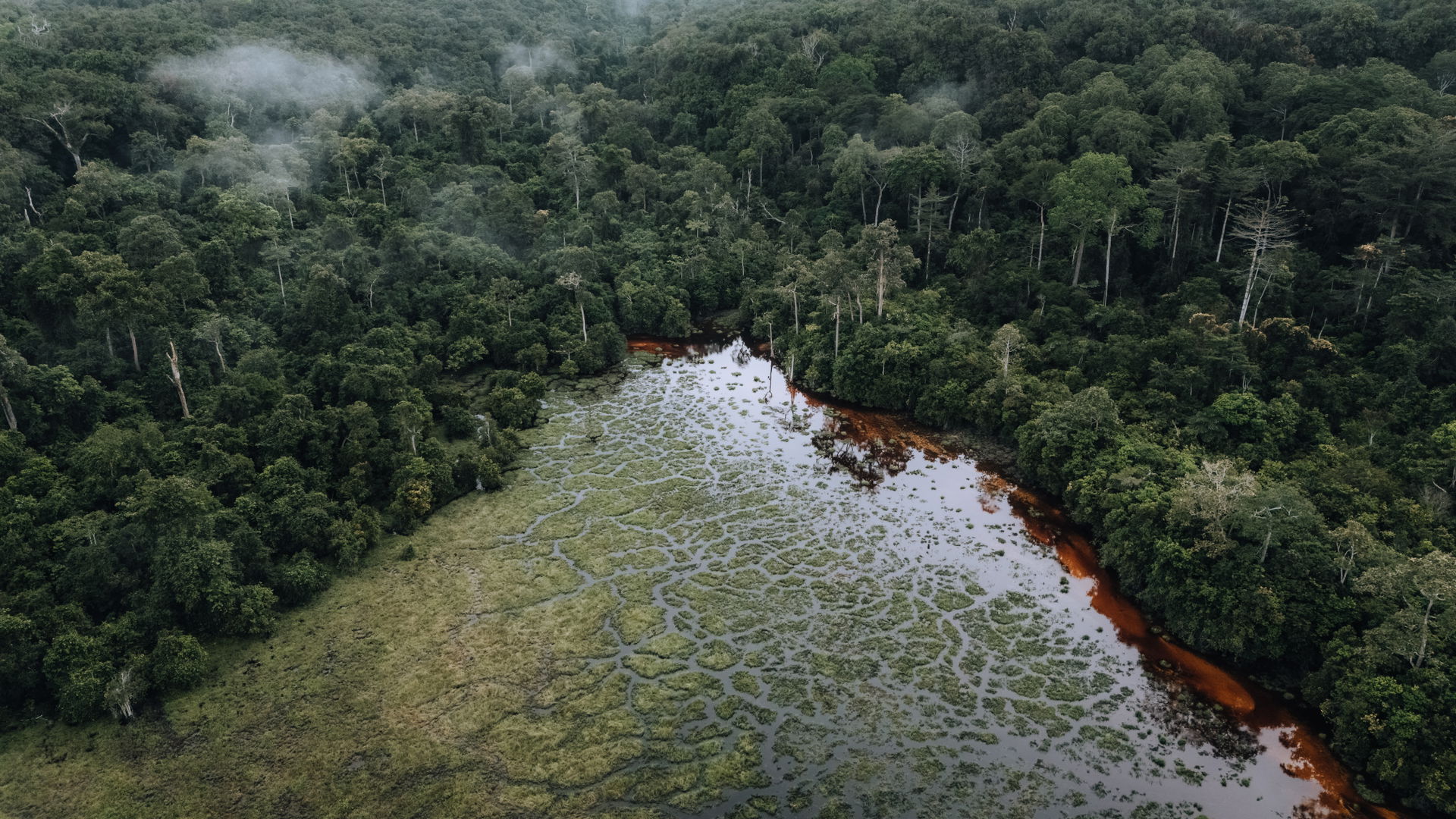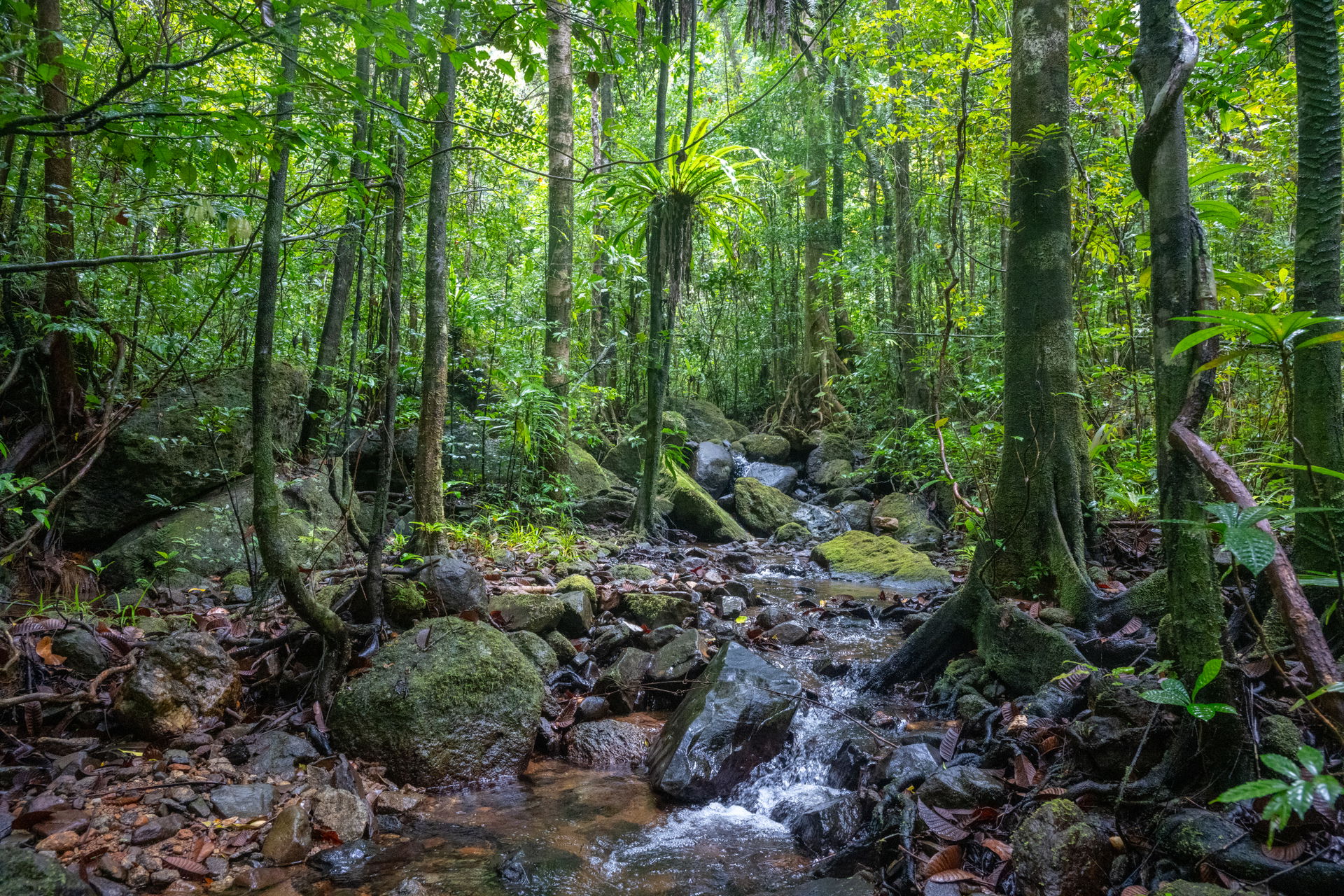
Aufnahme aus dem Masoala Nationalpark auf Madagaskar; Naturschutzprojekt Masoala des Zoo Zürich.

Conservation project in the field

Masoala

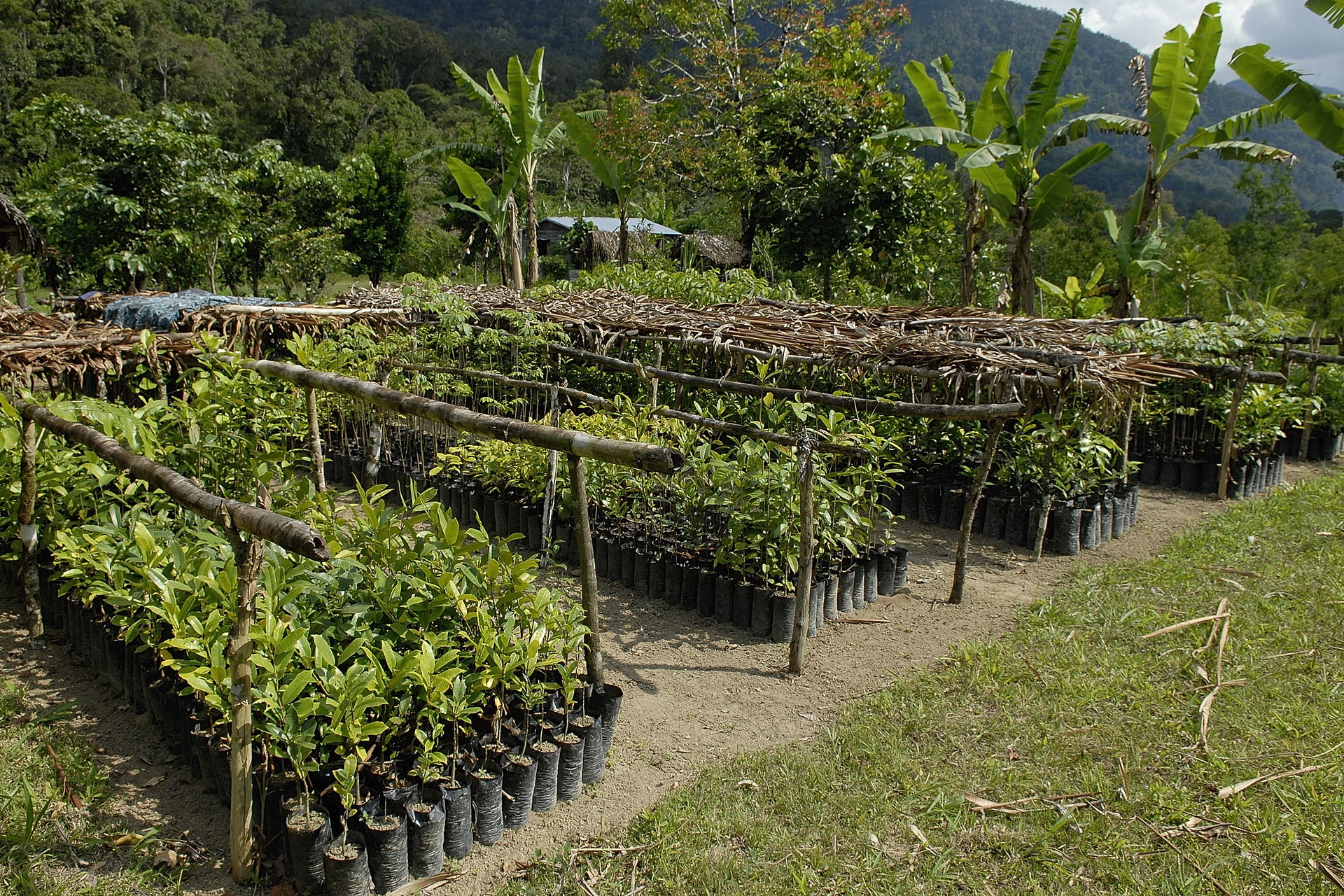
Over the past ten years, we have planted more than one million seedlings in the Masoala region of Madagascar to restore destroyed rainforest areas.

We were able to provide more than 5,000 children and young people with access to educational opportunities. We have established organic cocoa farming as a lucrative and sustainable alternative to slash-and-burn agriculture. And we’re continuing our work.

Our local team

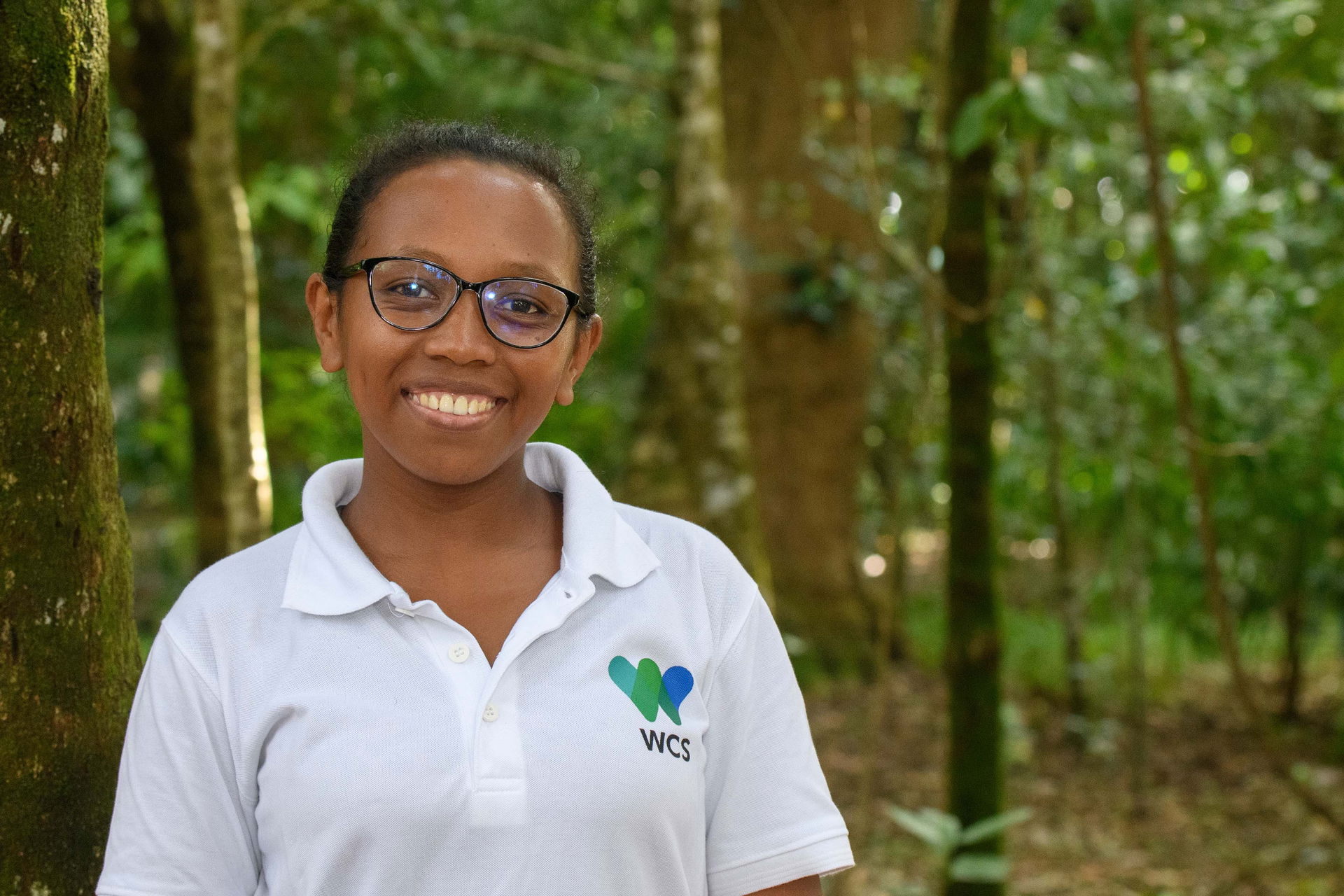
  • Hasina Rabe, Biodiversitätsmanager im Naturschutzprojekt Masoala und Naturschutzbotschafter des Zoo Zürich.

    Hasina Rabe

    Biodiversity Manager for the Masoala Conservation Project

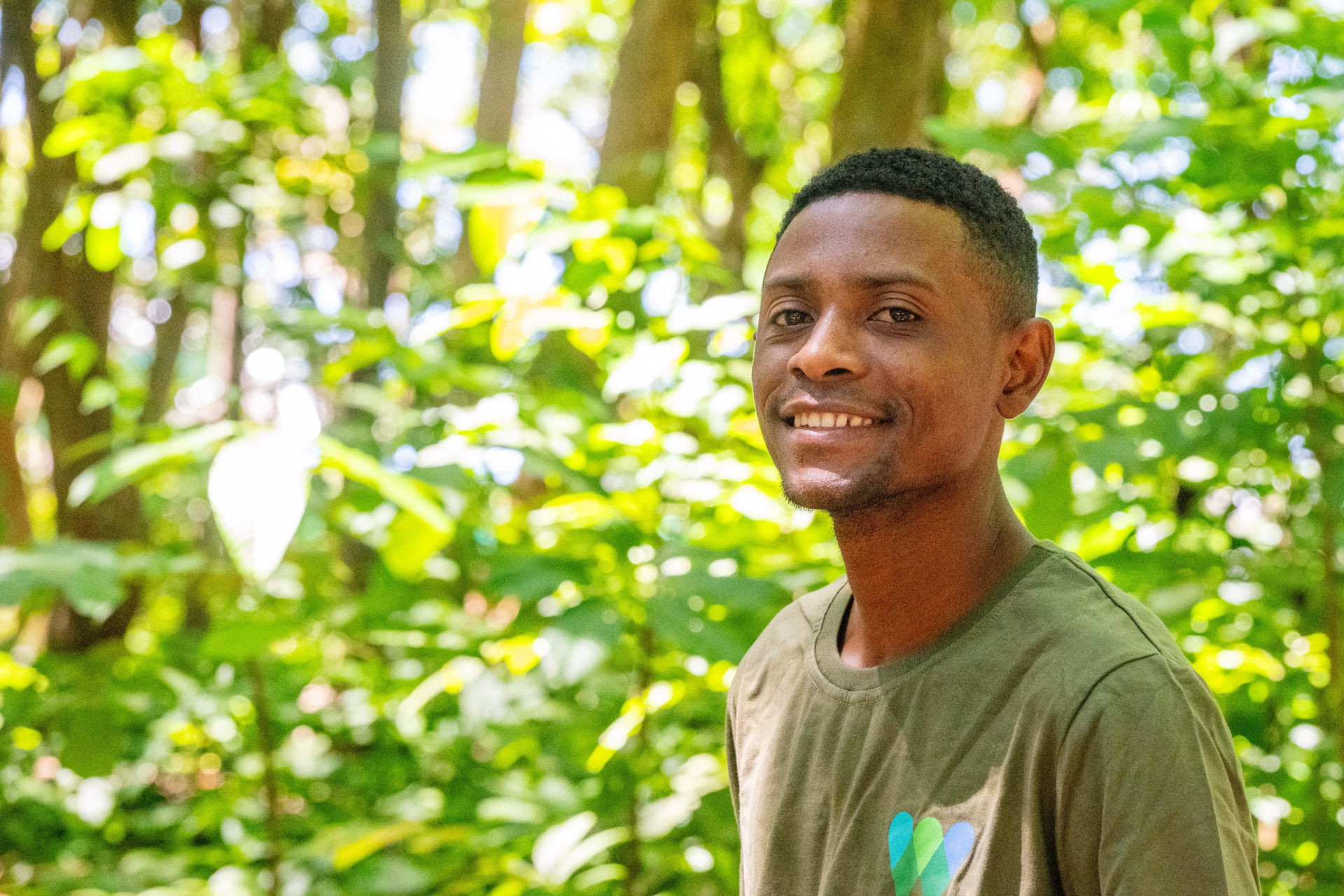
  • Najoroniaina Raharimalala, Leiterin Umweltbildung bei WCS Madagascar.

    Najoroniaina Raharimalala

    Head of Environmental Education at the Masoala Conservation Project

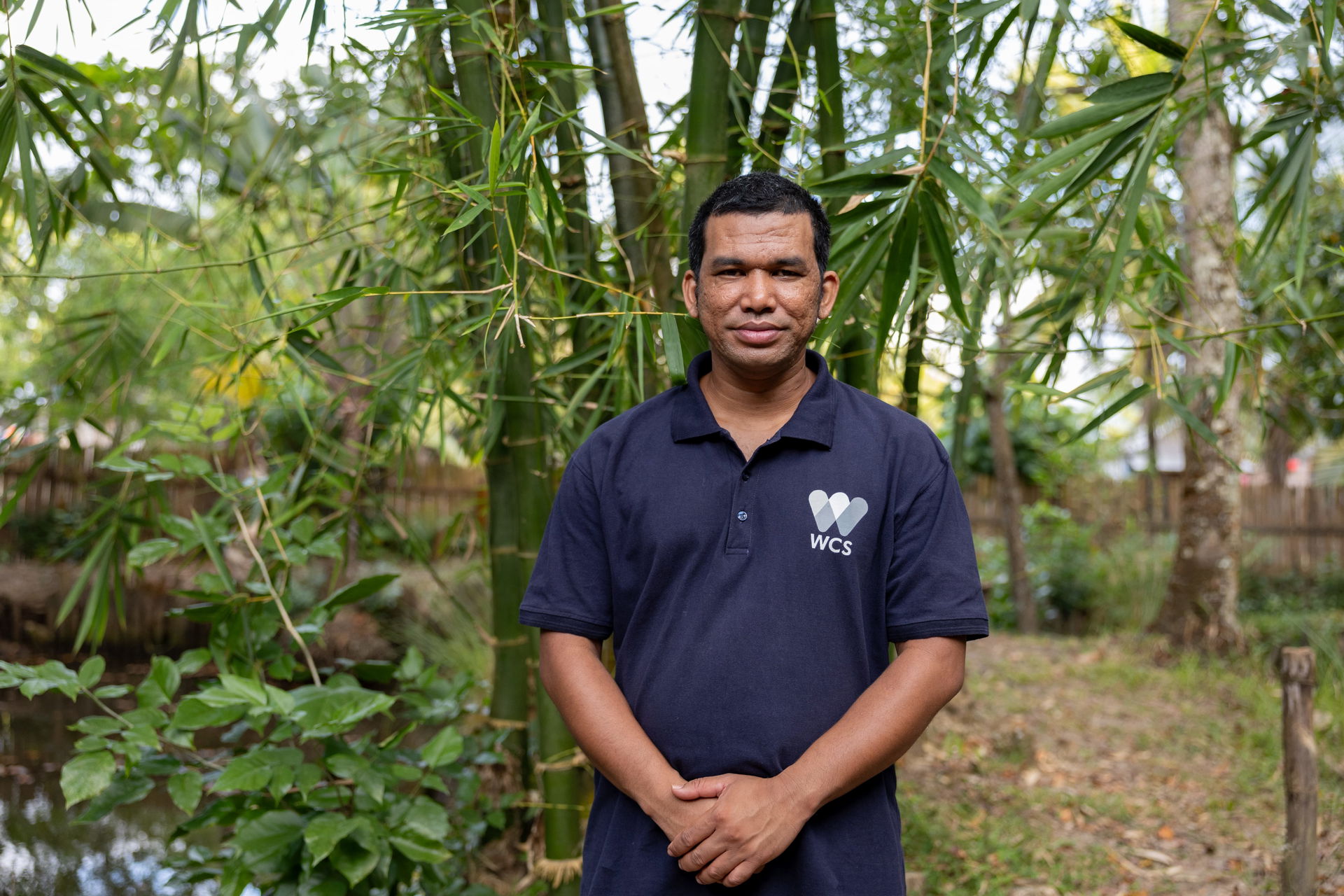
  • Jelovien Randriamanantena, Primatologe im Naturschutzprojekt Masoala des Zoo Zürich.

    Jelovien Randriamanantena

    Primatologist at the Masoala Conservation Project

  • Manjary Andriatstohaina, Naturschutz-Koordinator der WCS Madagascar.

    Manjary Andriatstohaina

    Conservation Coordinator at the Masoala Conservation Project
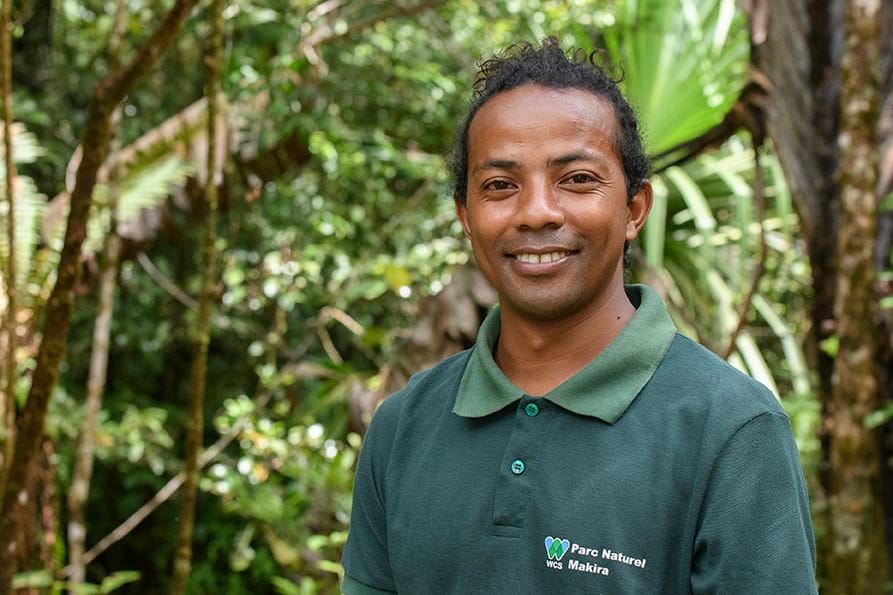
Working Together to Protect Our Livelihoods

We want to preserve Madagascar’s biodiversity for the long term—together with the local community and together with you. After all, an intact ecosystem is the key to clean water and fertile soil—and thus the foundation of life for all of us.

Get involved!

Become part of our Masoala conservation project. We promise that every donated franc will go entirely to the project.

A Unique Ecosystem

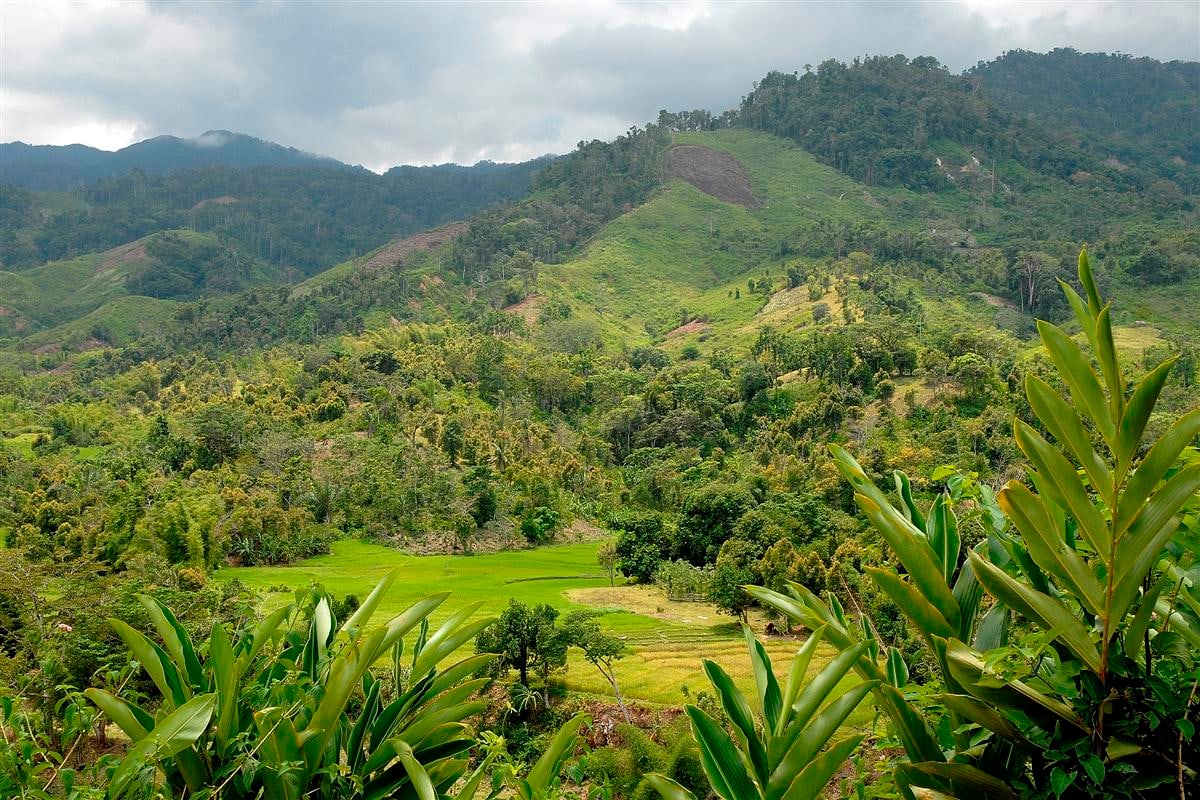
The Masoala Peninsula is one of the most biologically diverse habitats in the world. Researchers continue to discover new plant and animal species there.

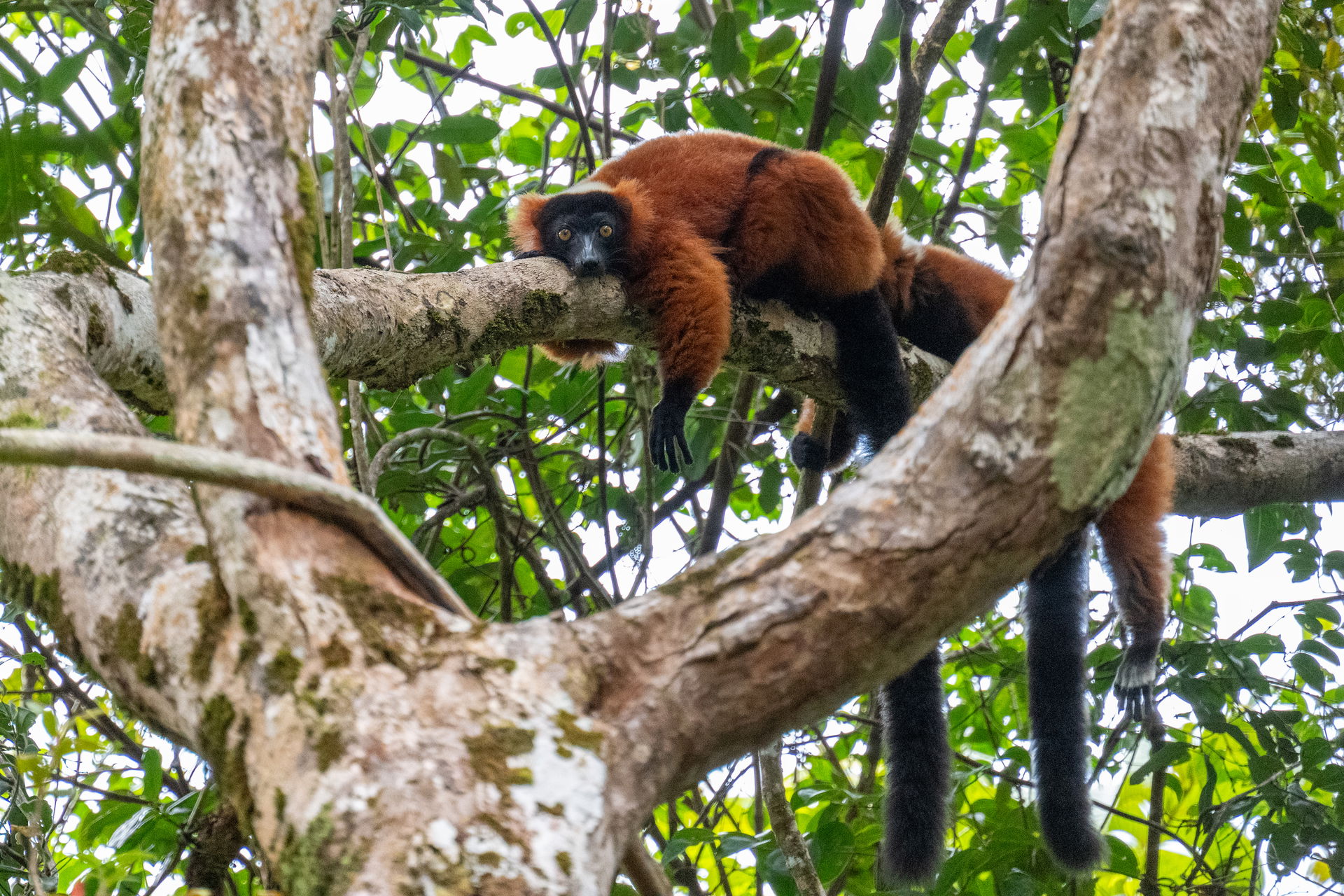
The Masoala National Park is about the same size as the cantons of Zurich and Glarus combined. It is Madagascar’s largest protected area and, as part of the “Atsinanana Rainforests,” is a UNESCO World Natural Heritage Site. Many plant and animal species are found only there, such as the red vari.

Roter Vari (Varecia rubra) im Makira-Naturpark auf Madagaskar.

In the wild, the red ruffed lemur is found only in Masoala National Park. Image: Zoo Zurich, Martin Bauert
Under Pressure

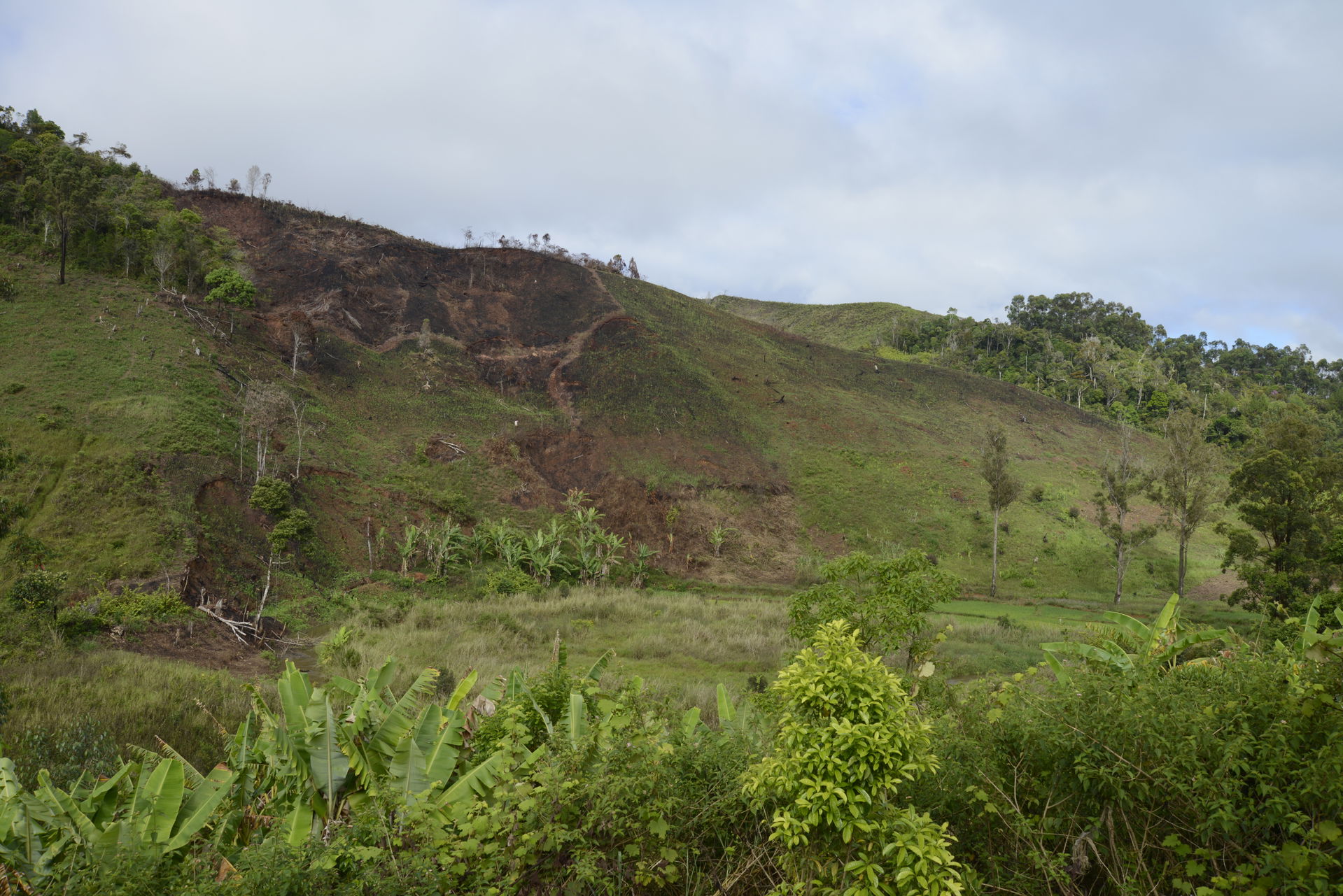
About 90% of Madagascar’s rainforest has been cleared. The last remaining areas are under severe pressure. The local population is impoverished and growing rapidly. People clear land for farming through slash-and-burn agriculture (“tavy”)—but only for a short time. Erosion quickly washes away the fertile soil, leaving behind barren grasslands. Other threats include the illegal timber trade and uncontrolled hunting of wildlife.

Farmland created through slash-and-burn agriculture is useful only briefly. The soil erodes and rapidly loses its fertility. Image: Zoo Zurich, Martin Bauert

Project facts
  • 1995

    we began our involvement in Masoala.

  • 9.3mil.

    CHF in direct contributions have been made possible for the project to date.

  • 43,000

    people have benefited from this project to date.

  • Our Work in Masoala

    The Masoala Conservation Project is our longest-running local conservation initiative. Since 1995, we have been working in Madagascar to preserve the rainforest on the Masoala Peninsula.

    Each year, we contribute at least 125,000 U.S. dollars toward the operating costs and sustainability fund of Masoala National Park. In addition, we support projects in the surrounding communities focused on rainforest conservation and reforestation, sustainable agriculture, water supply and sanitation, and children’s education. This provides the local population with economic alternatives to slash-and-burn practices in the rainforest.

    Our work in Masoala is a partnership with the Masoala National Park and the Wildlife Conservation Society (WCS).

    Video: Zoo Zurich, naturemovie.ch

    Two places, one goal

    Discover the Masoala Rainforest at the Zoo

    Experience the animals and plants of the Madagascan rainforest at the Zoo—because our Masoala Rainforest and the Masoala conservation project belong together.

    Blick in den Masoala Regenwald im Zoo Zürich.

    Masoala news

    Show all
    • Regenwald auf der Masoala-Halbinsel in Madagaskar.
      Lebensraumschutz
      20.09.2026

      One million trees planted

    Insights

    Baumschule zur Aufforstung im Korridor Region Ambatolaidama und Ilampy auf Madagaskar.

    Tree nurseries produce more than 50,000 seedlings each year for reforestation. Image: Zoo Zurich, Martin Bauert
    Forest Reforestation

    We have established numerous tree nurseries. They produce over 50,000 tree seedlings each year. We use these to reforest wildlife corridors. These corridors connect protected areas and are essential for genetically healthy wildlife populations. We also support the plant seed bank of the “Silo National des Graines Forestières.”

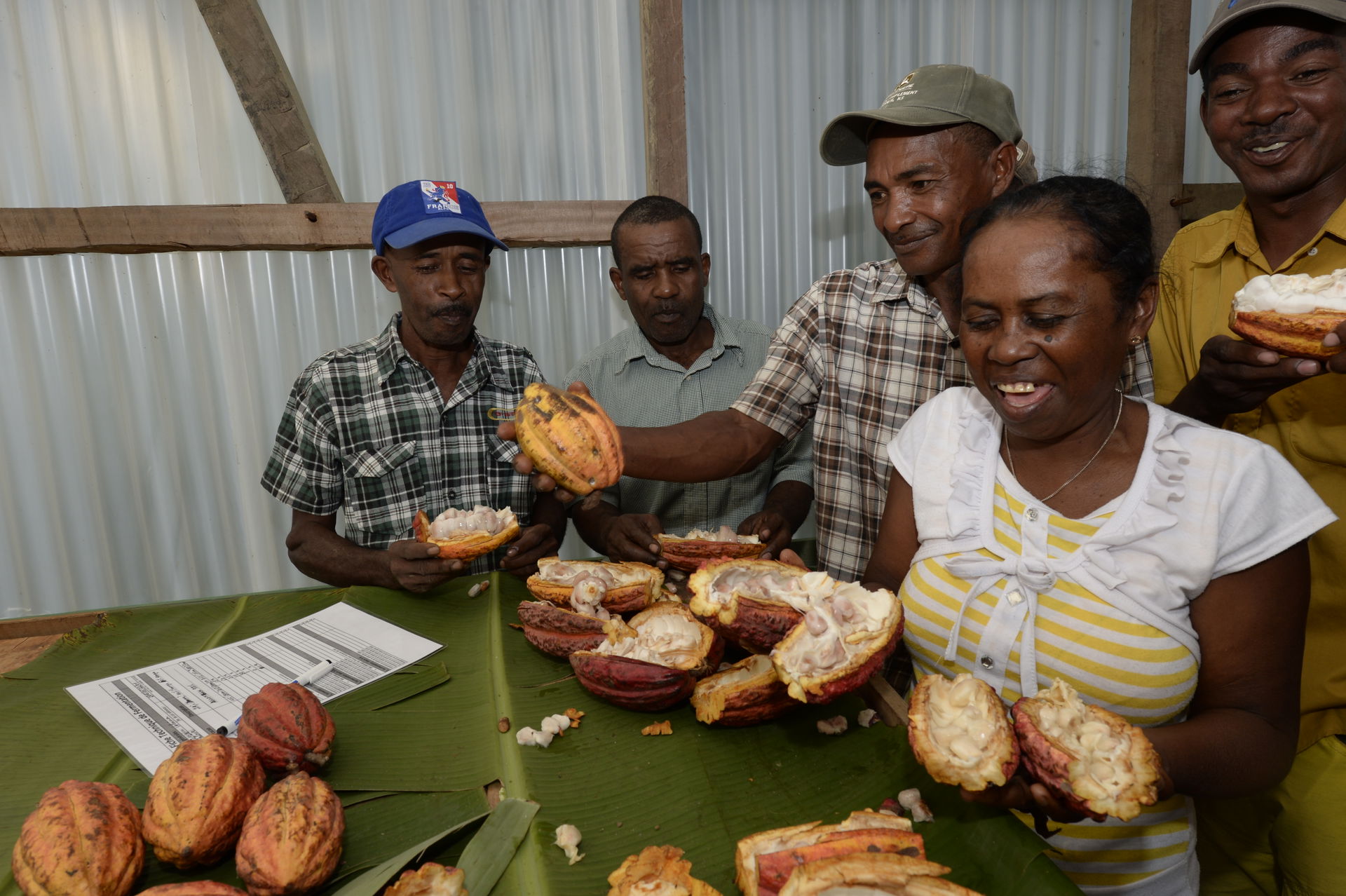
    Kakao-Fermentationszentrum in der Landwirtschaftskooperative «Koperativan'ny Mpamboly Ambanivolo Voloina». Hier lernen Bauern, wie man Kakao anbaut und verarbeitet.

    Cocoa fermentation centre at the “Koperativan’ny Mpamboly Ambanivolo Voloina” agricultural cooperative. Image: Zoo Zurich, Martin Bauert
    Cocoa Production

    An important project in the field of sustainable agriculture is cocoa production in the buffer zone of Masoala National Park. Cocoa cultivation protects the rainforest and the soil because cocoa needs the shade of the trees—without trees, there is no cocoa. Cocoa production thus offers the local population an economic alternative to slash-and-burn farming in the rainforest. In this way, responsibility for the forest is returned to the people.

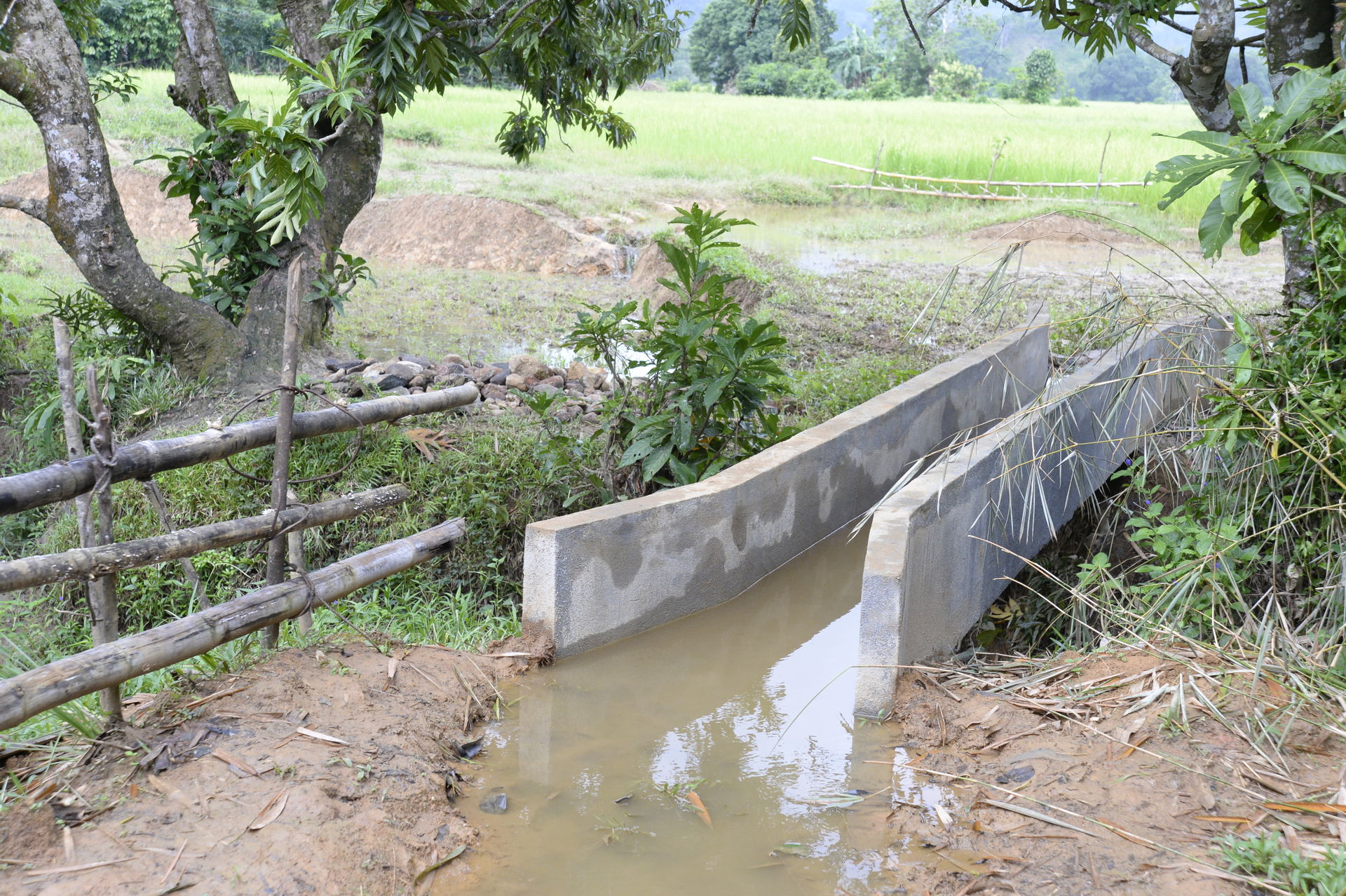
    Wasserkanal für den Reisanbau in der Region Masoala.

    Water channels ensure efficient irrigation of the rice fields. Image: Zoo Zurich, Martin Bauert
    Wet rice cultivation

    Another important project in the field of sustainable agriculture is improving yields in wet rice cultivation. By adopting the “Système de Riziculture Intensivée” (SRI), farmers harvest up to seven times more rice per hectare—without using chemical fertilizers or pesticides. We also support small-scale water management projects, which provide irrigation for over 400 hectares of farmland.

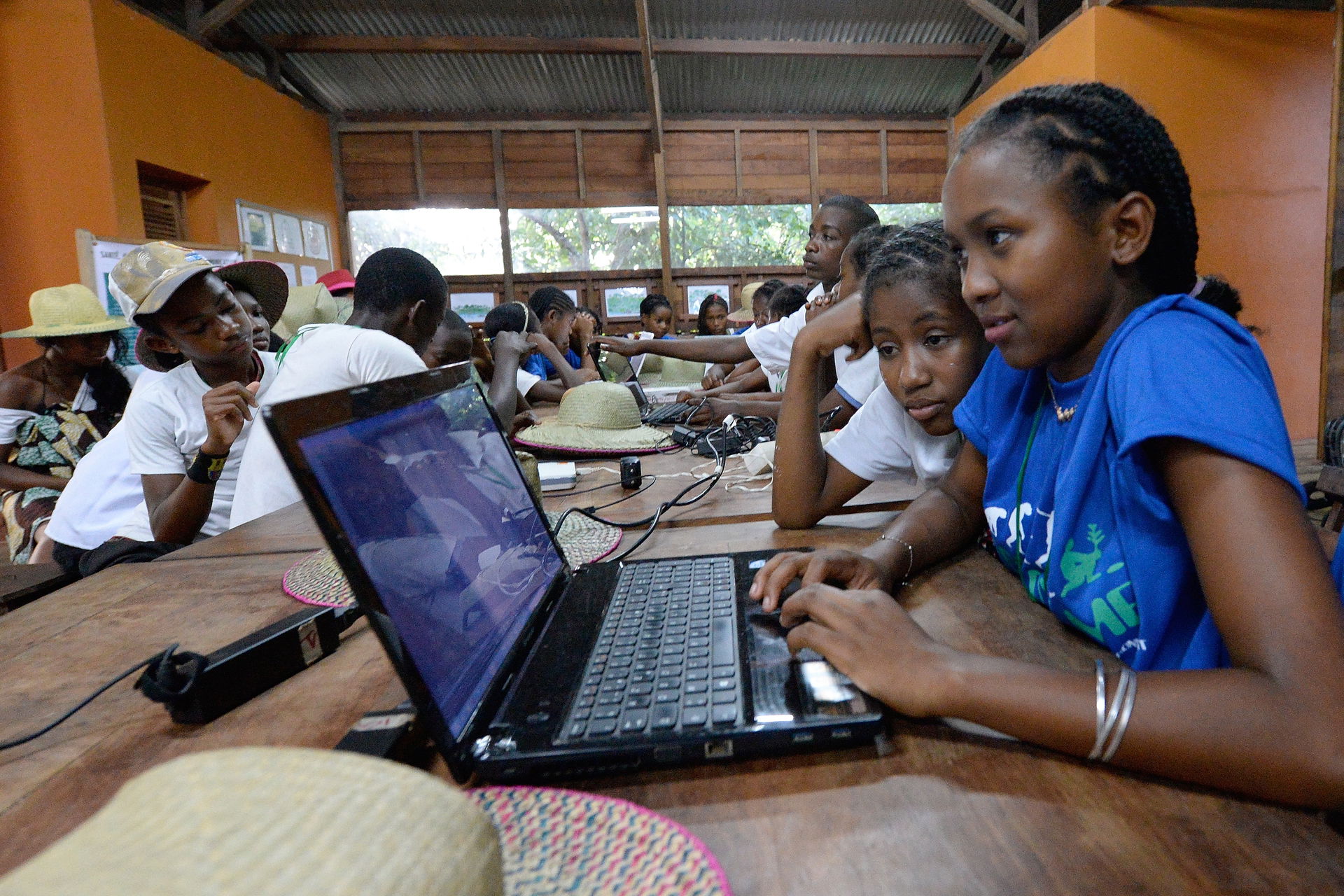
    Kinder im MaMaBay Conservation Education Center in Maroantsetra.

    More than 250 children are members of the conservation clubs at the “MaMaBay Conservation Education Centre”. Image: Zoo Zurich, Martin Bauert
    Education

    A milestone in our work in Masoala was the opening of the “MaMaBay Environmental Campus” in Maroansetra. The campus includes an information center about Masoala National Park and Makira Nature Park, an open-air classroom for local schools, and an eco-shop selling local handicrafts. The campus also serves as the gateway to the national park. In addition to the MaMaBay Environmental Campus, we have helped fund other school buildings on the Masoala Peninsula.

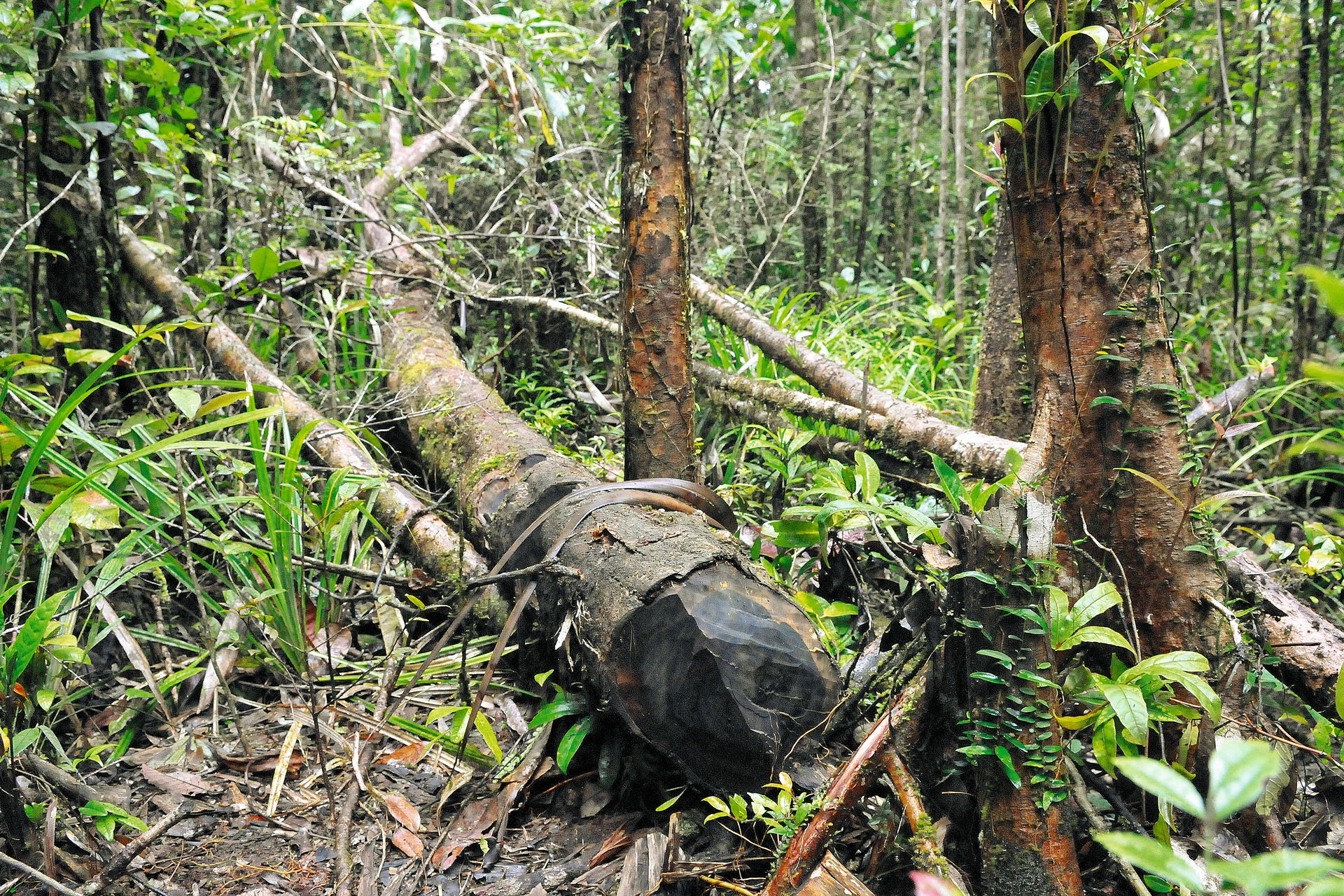
    Ein gefällter Rosenholzbaum (Dalbergia sp.) im Masoala Nationalpark.

    Felled rosewood tree (Dalbergia sp.) in Masoala National Park. Image: Zoo Zurich, Martin Bauert
    Illegal timber trade

    It is a genuine tale of crime: illegally felled precious timber in Madagascar, a guitar maker in the United States—and Zoo Zurich right in the middle of it all.

    In 2009, the illegal trade in tropical timber on the Masoala Peninsula increased dramatically. By 2011, it had spiralled out of control. During this period, we played a key role in uncovering a specific case. European and American companies were subsequently held accountable. The investigation also led to the development of a DNA test that can determine the origin of tropical timber and distinguish illegal timber from legally sourced wood.

    “Jungle Blues” article in NZZ Folio no. 277

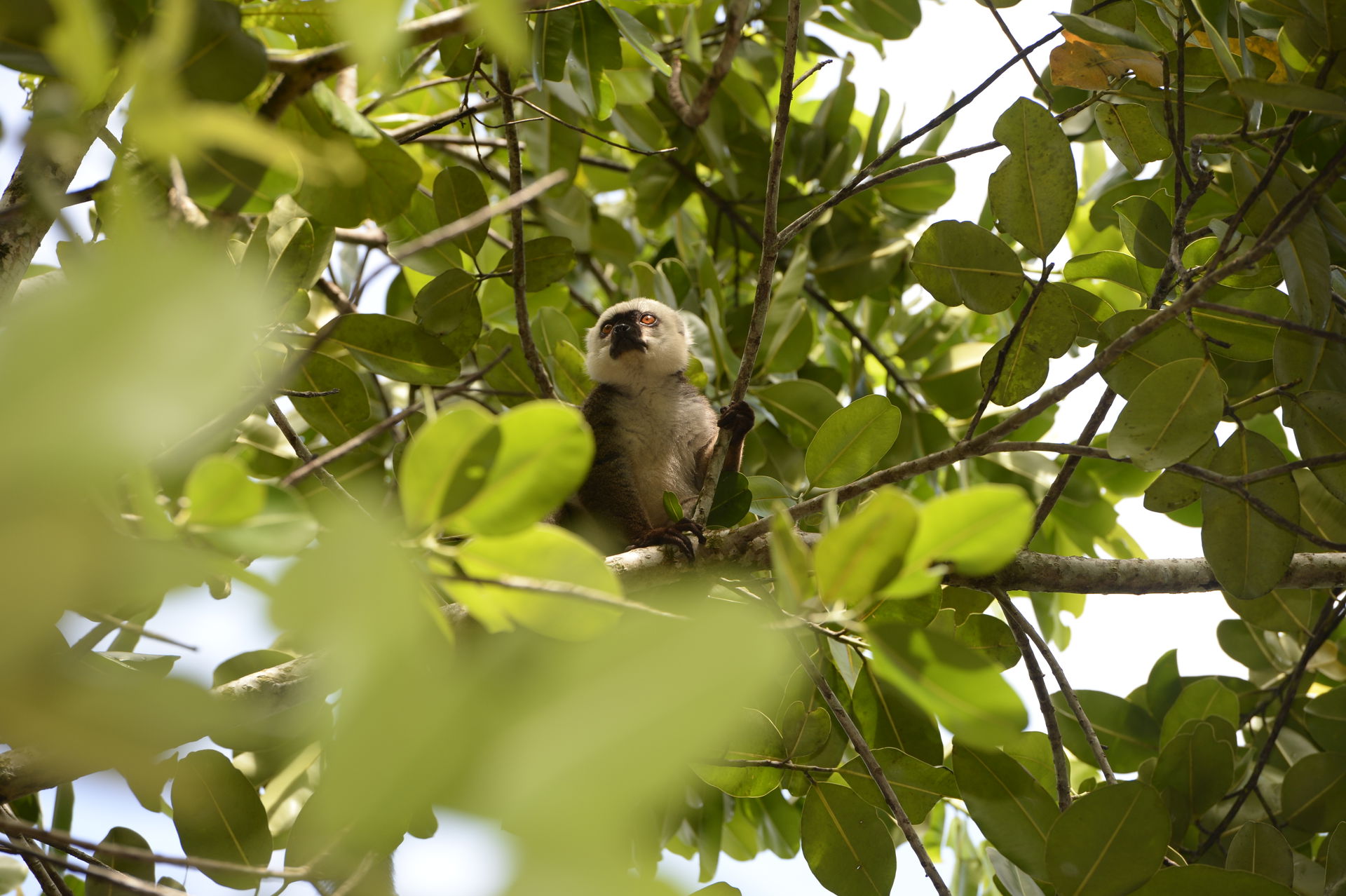
    Weisskopfmaki (Eulemur albifrons) im Masoala Nationalpark.

    White-headed lemur (Eulemur albifrons) in Masoala National Park. Image: Zoo Zurich, Martin Bauert

    International Alliance

    For many years, we have supported the “Madagascar Fauna and Flora Group.” The group is an international association of zoos and research institutions. It operates a small zoo in Ivoloina housing confiscated animals, a forestry and agricultural station, and educational projects for elementary school children, young women, and government officials. UNICEF has recognized this comprehensive approach to environmental education and adopted it as a model for other regions of Madagascar.

    • Education
    • Research
    • Species Conservation
    • Blick aus der Luft auf einen Teil des Nouabalé-Ndoki-Nationalparks (NNNP) im Kongo.HabitatsWe protect nature – locally and globally

    Your donation to the Masoala conservation project

    FundraisingBox Logo

    Frequently asked questions about donations

    More questions and answers
    Back to overview